
Water is something most people use without giving it much thought. We turn on the faucet, wash vegetables, take a shower, fill a glass, and carry on with our day. But when water starts leaving stains, smells unusual, tastes unpleasant, or creates problems around the house, it quickly becomes something we notice. These little inconveniences can sometimes point toward larger water quality concerns that deserve attention.
The good news is that many water-related issues can be addressed with the right approach. The key is understanding what’s happening before investing in equipment or making changes to your plumbing.
Recognizing the Signs of Water Quality Issues
Water problems don’t always look the same. Some are obvious, like reddish stains around sinks or a strong chlorine smell. Others are less noticeable, appearing as dry skin after showering, cloudy water, spots on glassware, or buildup around faucets and showerheads.
Hard water is one of the most common concerns homeowners encounter. It contains elevated levels of calcium and magnesium, which can leave mineral deposits on plumbing fixtures, dishes, and appliances. Over time, these deposits may affect water heaters, reduce efficiency, and make cleaning more frustrating than it should be.
Sometimes, people begin noticing these changes and wonder, is your water causing problems in ways that aren’t immediately obvious? It’s a reasonable question, especially when several small issues seem to appear at once. Rather than guessing, testing the water can help identify the minerals, contaminants, or other characteristics responsible for the changes.
Common Problems and Practical Ways to Address Them
There isn’t one treatment system that solves every water issue. Different problems require different solutions, and choosing equipment without knowing the actual cause can lead to disappointing results.
Here are a few common concerns homeowners experience:
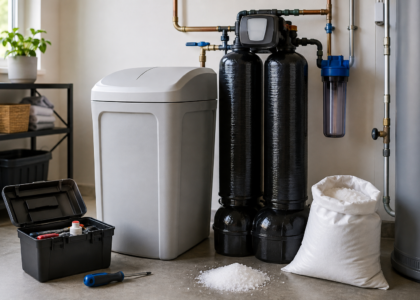
- Hard water: Mineral buildup on faucets, shower doors, and appliances may be reduced with a properly sized water softener.
- Unpleasant taste or odor: Activated carbon filtration can help reduce chlorine taste, certain odors, and selected organic compounds.
- Sediment and cloudy water: Sediment filters may capture sand, dirt, rust particles, and other suspended material.
- Iron staining: Depending on the type and concentration of iron, specialized filtration or oxidation systems may help prevent orange or brown stains.
- Drinking water concerns: Reverse osmosis systems can reduce various dissolved substances, depending on the membrane and system design.
Understanding common water problems & how to solve them starts with recognizing that symptoms aren’t always enough to identify the exact cause. A filter designed for chlorine, for example, won’t necessarily address hardness or iron. Matching treatment technology to the water itself is what makes the difference.
Why Water Testing Should Come Before Treatment
It’s tempting to buy a filtration product after reading a review or hearing a recommendation from a neighbor. While that might work in some cases, water conditions can vary considerably between homes, even within the same community.
A water test provides a more useful starting point. Depending on the source and concerns, testing may evaluate hardness, pH, iron, chlorine, dissolved solids, or other relevant parameters. Private well owners may need more extensive testing for substances that aren’t typically associated with municipal supplies.
Testing can also help avoid unnecessary spending. If the issue is simply sediment, you may not need a complex treatment system. If dissolved minerals are causing persistent problems, installing a basic carbon filter alone probably won’t solve them.
A thoughtful assessment makes it easier to select equipment that fits the situation rather than buying something based on assumptions.
Choosing the Right Treatment for Your Home
Once the underlying issue is understood, choosing a treatment solution becomes much simpler. Some homeowners need whole-house filtration to improve water throughout the property, while others are mainly concerned with drinking and cooking water.
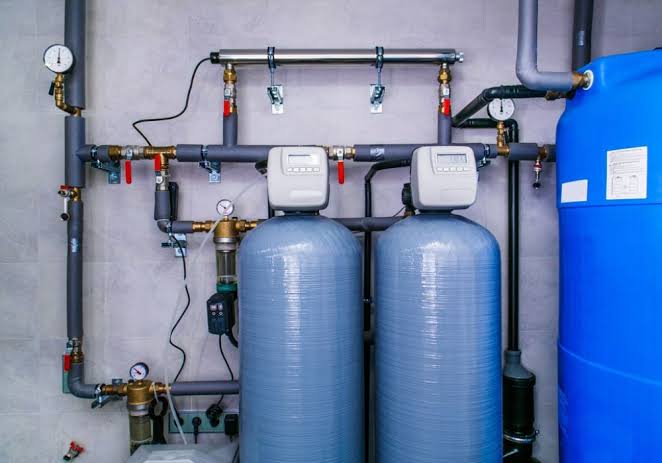
A water softener may be appropriate for mineral-related issues. A carbon filtration system might help improve taste and odor. Reverse osmosis can be useful for reducing certain dissolved contaminants at a dedicated drinking water faucet. In some situations, combining technologies makes sense, but more equipment isn’t automatically better.
Exploring water quality problems and treatment options with a knowledgeable water professional can help you understand which solutions are practical for your household, how much maintenance they’ll require, and what kind of results you can reasonably expect.
It’s also worth considering your daily habits. A family that cooks frequently, uses multiple showers, and runs several appliances at once may have different requirements from a small household. System capacity, water pressure, installation space, and future maintenance costs all deserve consideration.
Small Changes That Make a Noticeable Difference
Water treatment isn’t always about installing expensive equipment. Simple maintenance habits can help, too. Cleaning faucet aerators, replacing filters on schedule, checking for leaks, and keeping an eye on unusual changes in water appearance or taste are all worthwhile.
If your home has older plumbing, it’s also wise to investigate whether pipes or fixtures could be contributing to staining or water concerns. Sometimes the problem isn’t the water entering the house but something happening along the way.
Paying attention early can prevent minor issues from becoming expensive repairs. After all, a little prevention is often easier than dealing with damaged appliances, clogged fixtures, or persistent cleaning problems later.
Making Water Quality a Part of Everyday Comfort
Good water shouldn’t make household routines harder. It should be dependable, comfortable to use, and suited to the needs of your home. When something seems off, taking time to investigate is usually the best first step.
Testing, choosing appropriate treatment, and maintaining the equipment properly can make a real difference over the long term. You don’t necessarily need the most advanced system available. You need one that addresses your actual concerns and works consistently.
With a clearer understanding of your water, everyday tasks become easier, appliances may benefit from better care, and you can make decisions with greater confidence. Sometimes, improving something as ordinary as water can make the whole home feel a little better.