Water is something most of us use without giving it much thought. We turn on the shower, fill a kettle, wash the dishes, and get on with the day. But when water starts leaving white marks on taps, making soap difficult to rinse away, or causing laundry to feel rough, it becomes harder to ignore. These small annoyances often point to a common household issue: mineral-rich water.
The good news is that water quality problems are usually manageable once you understand what’s causing them. Instead of buying the first product advertised online, it helps to learn how water hardness affects your home, what treatment options are available, and which solution makes sense for your particular needs.
What Makes Water Hard?
Water becomes hard when it collects naturally occurring minerals as it moves through soil and rock. Calcium and magnesium are the main contributors. Their presence doesn’t automatically mean water is unsafe to drink, but they can create practical problems throughout a home.
You might notice cloudy glassware after a dishwasher cycle, pale deposits around showerheads, or a kettle that develops a crusty layer at the bottom. Soap may also produce less lather than expected, leaving skin feeling less comfortable after a shower. None of these signs alone tells you exactly what’s in the water, but together they can suggest that further testing would be useful.
In many areas, the problem is simply hard water, and the severity can vary considerably from one property to another. Two neighboring homes may even have different results if they rely on separate wells or water supplies. That’s why assumptions based on a neighbor’s experience aren’t always reliable.
How Mineral Buildup Affects Everyday Life
The effects of mineral-rich water tend to appear gradually. At first, the white spots on a faucet may seem harmless. A little vinegar and a cleaning cloth usually take care of them. Over time, though, deposits can become more stubborn, especially around fixtures that remain wet throughout the day.
Inside appliances, the situation can be less visible. Mineral deposits may accumulate on heating elements and other surfaces in water-using equipment. Depending on the appliance and the severity of the buildup, this can affect performance and increase cleaning or maintenance needs. Dishwashers, washing machines, water heaters, and coffee makers are all worth considering when evaluating a household water problem.
There are personal comfort issues, too. Some people find that their skin feels dry after bathing or that their hair seems harder to manage. Hardness isn’t the only possible explanation for these experiences, of course. Soap, shampoo, climate, and individual skin sensitivity also play a role. Still, improving water quality may make everyday routines more comfortable for some households.
The important thing is to look at the overall pattern rather than focusing on a single symptom.
Understanding Hardness Minerals Before Choosing a System
Not every water problem requires the same treatment. Hardness minerals such as calcium and magnesium are different from iron, sulfur compounds, sediment, and certain chemical contaminants. A system designed to address one issue may do little to resolve another.
For example, a household might experience mineral scale and rusty-looking stains at the same time. In that case, installing a standard softening system without checking the iron level could leave part of the problem unresolved. Similarly, unpleasant odors may indicate an issue that requires a different treatment approach.
A water test provides a clearer starting point. Depending on the source and the symptoms, testing may measure hardness, pH, iron, total dissolved solids, and other relevant parameters. Private well owners may need additional tests based on local conditions and potential contamination risks.
If your home uses municipal water, the local water quality report can offer useful background information. However, it may not reveal what happens inside your own plumbing after water enters the property. Older pipes, household plumbing materials, and plumbing fixtures can influence what comes out of a tap.
Testing first helps avoid spending money on equipment that isn’t suited to the actual problem.
Exploring Water Softening Options
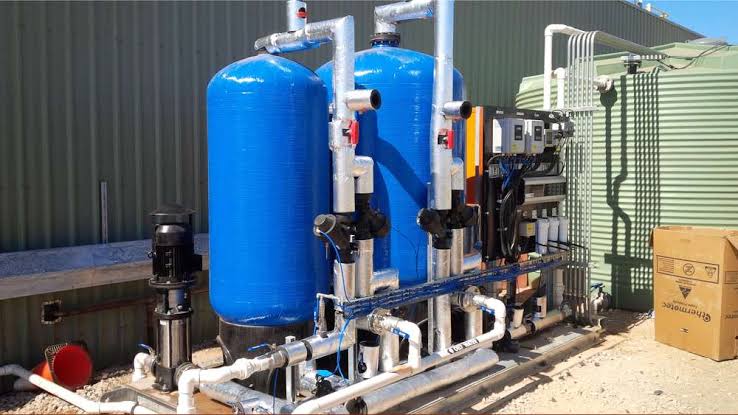
Traditional softening systems commonly use an ion-exchange process. Water passes through a resin that exchanges calcium and magnesium ions for sodium or, in some systems, potassium ions. This reduces the hardness that contributes to scale formation.
For many households, water softeners can help reduce mineral deposits, improve soap performance, and make cleaning bathroom fixtures less frustrating. Softened water may also help limit new scale accumulation in compatible plumbing and appliances.
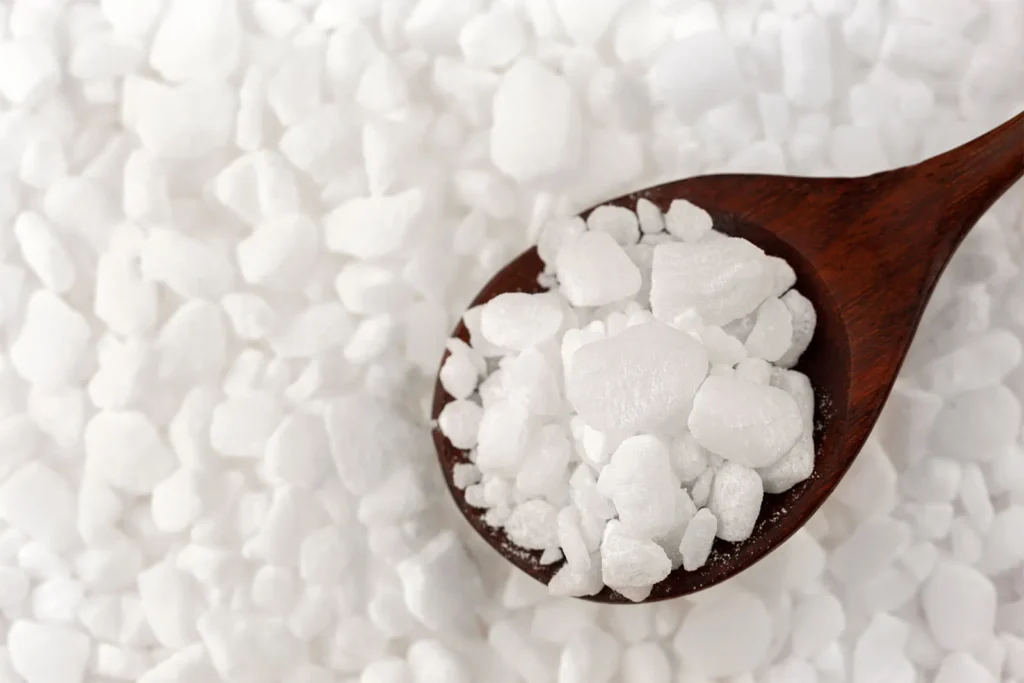
However, these systems aren’t entirely maintenance-free. Salt-based units generally need periodic salt replenishment, and the resin may require care according to the manufacturer’s instructions. The system also needs to be sized correctly for the household’s water use and hardness level.
Another consideration is drinking water. Because conventional ion-exchange softeners add sodium to the treated water, people who need to restrict sodium intake should discuss suitable options with a healthcare professional and a qualified water treatment provider. Depending on the installation, a separate unsoftened drinking-water tap or another arrangement may be appropriate.
Salt-free conditioners are also available. These products generally aim to change how minerals behave or reduce their tendency to form hard scale rather than remove hardness in the same way as traditional softeners. Their performance depends on the technology, water chemistry, and conditions in the home, so it’s important to understand what a particular product can realistically achieve.
Choosing a Solution That Fits Your Home
A good treatment system should match the water, the property, and the people living there. A small household with moderately hard municipal water may need a different setup from a large family relying on a private well with high hardness and iron levels.
Before purchasing equipment, consider how many people live in the home, how much water is used each day, and whether the issue affects every tap or only a particular location. Think about maintenance as well. A system with a lower initial price may require more frequent attention, while a more advanced option may have higher installation costs.
Ask providers to explain their test results, recommended treatment method, expected maintenance schedule, and ongoing expenses. Be cautious of anyone who insists that you need expensive equipment before showing you reliable water quality results.
It can also be helpful to separate whole-house treatment from drinking-water treatment. A softener may address scale throughout the plumbing, while a point-of-use filtration system may target specific drinking-water concerns. These technologies perform different jobs, and one shouldn’t automatically be treated as a substitute for the other.
Small Maintenance Habits Make a Difference
Even the right equipment needs occasional attention. Check salt levels where applicable, replace filters according to the manufacturer’s schedule, and look for changes in water pressure, taste, or odor. If the water suddenly starts behaving differently, investigate rather than assuming the system simply needs another filter.
For homes with private wells, periodic testing remains important even after treatment equipment has been installed. Water quality can change over time because of seasonal conditions, nearby land use, plumbing changes, or issues with the well itself. Treatment equipment also needs to be checked to make sure it is working as intended.
Keep records of test results and maintenance visits. They can help identify trends and make future decisions easier.
A Better Approach to Everyday Water Quality
Good water treatment isn’t about buying the most complicated system or eliminating every naturally occurring mineral. It’s about understanding what comes into your home and deciding which issues genuinely need attention.
Start with the signs you’re noticing, confirm the cause through appropriate testing, and compare treatment options based on their actual capabilities. With a little patience and the right information, you can reduce scale, protect household equipment, and make everyday cleaning and bathing more pleasant.
Water quality may not be the most exciting home improvement project, but its benefits show up in ordinary moments: cleaner glasses, easier bathroom maintenance, and fewer surprises when you turn on the tap. That’s a practical improvement worth getting right.