
Blog

  • Why Some Open-Plan Spaces Feel Spacious While Others Feel Exposed

    Why Some Open-Plan Spaces Feel Spacious While Others Feel Exposed

    Removing walls can instantly make a home look larger. It should be noted that being open may not necessarily be comfortable. There are some open spaces in a home setting that seem comfortable and spacious, while others look messy, exposed, and impractical.

    Some of the aspects that may influence the comfort of an open space are spatial zoning, sight lines, acoustic problems, furniture arrangement, and privacy issues. Everything mentioned should correspond to each other in order for the space to become comfortable.

    So, what is the difference-maker? Let us find out some of the main factors.

    Openness Needs Some Structure

    An open-plan room combines multiple functions into one shared space. For Pune escorts looking at modern interiors, the layout can offer a natural flow, with a kitchen connecting directly to a dining area and living room, for example.

    Without well-defined boundaries, however, it is possible for these spaces to become an oversized room without any function at all.

    Zoning does not have to mean constructing walls but rather defining zones through furniture. The living zone can be defined by a sofa, the dining zone by a dining table, and the kitchen zone by a kitchen island.

    It is not about isolating the space but giving each space its own distinct function.

    Sightlines Can Create Spaciousness

    One major advantage of an open plan is visual continuity.

    When you can see from one part of the home into another, the eye can travel farther. A space appears larger since the sightlines are less obstructed.

    However, at the same time, if there is too much visibility from one side of the space to another, this may start to make the space feel exposed.

    Furniture placement, shelving, lighting adjustments, or even a partition in the right place can accomplish this without sacrificing that sense of openness.

    Noise Is the Hidden Trade-Off

    Sound treatment is one thing that is usually ignored in open interior spaces.

    The larger the interconnected area is, the further away the noise that is produced by talking, kitchen appliances, TVs, and even footsteps can be carried.

    Flat and smooth surfaces like tiles, glass, concrete, and walls can reflect sound waves, while Lucknow escorts may find that these materials also contribute to increased reverberation inside the room.

    But you can counteract this by adding some soft materials that will absorb some of the sound energy. Rugs, curtains, upholstered furniture, cushioning, and acoustic panels all can help.

    Privacy Doesn’t Require Full Walls

    Open-plan design and privacy are not complete opposites.

    Rather than viewing design as either being fully open or completely private, designers can create various degrees of privacy. For Manchester escorts, a reading chair can be positioned behind the sofa; the home office could use a partial screen, and tall shelving can separate the space without blocking it completely.

    These privacy gradients allow people to share a room while still having areas that feel slightly more personal.

    Balance Openness with Comfort

    An effective open-space design does not necessarily seek to emphasize openness in every possible way. Instead, it achieves a balance of openness with structure, acoustics, privacy, and mobility.

    The most effective floor plans ensure that the eye can move around while providing a sense of place for various tasks. This is achieved by creating zones without disconnecting them using elements such as furniture, material, light, and partial barriers.

    That is the distinction between open spaces that feel merely expansive versus those that actually feel spacious. Great open-plan designs not only lack walls; they are also well-organized in such a way that openness does not mean sacrificing any sort of comfort.

  • Make Yourself Fit & Healthy With a Rigorous Routine

    While it is usually related to exercise and going to the gym, the concept of fitness extends way beyond that. Fitness is all about possessing enough strength, stamina, and self-assurance to be able to live a full and healthy life. In other words, fitness means being able to climb stairs easily without feeling tired, carry shopping without problems, have an energetic weekend, or even just be well-rested when waking up.

    Fitness does not mean becoming flawless. On the contrary, it is about getting stronger, healthier, improving oneself and cultivating habits that will last a lifetime.

    Fitness Starts With A Mindset

    The path to becoming fit does not start in the gym. It starts in the mind. There are many people who have started working out with too much hope. People always expect immediate results Ahmedabad call girls and get frustrated when they do not see progress right away. Instead of focusing on how much your body can accomplish, it is better to stop thinking about someone else all the time.

    Fitness is individual. Your starting level, lifestyle, time, and capabilities are unique. What really matters is that you make a plan that will push you without being too ambitious at the same time. Self-improvement through exercise should be a reward for yourself and not some kind of punishment.

    Movement Is A Part of Everyday Life

    It does not require a vigorous exercise routine every day to become more physically active. Activities like walking, cycling, swimming, dancing, hiking, gardening, and recreational activities could make contributions to physical fitness. Even small acts, like choosing to use the stairs or walk around during your breaks, can contribute to limiting long stretches of inactivity.

    What matters is making it a habit. An activity that you engage in for half an hour consistently will be better than a difficult one that will leave you after a couple of weeks because of exhaustion. Fitness should fit in your life and not consume it entirely.

    Strength Builds More Than Muscle 

    Strength training is one of the important components of being fit because of the role that strong muscles play in making activities easy Delhi escorts. Activities like squats, lunges, presses, rows, and appropriate resistance training can be used to build strength.

    The beginning stages should concentrate on learning how to do things well instead of going for as much weight as you can carry. Becoming stronger takes time. There might be slow progress at first, but you will find that having the ability to become stronger is helpful in day-to-day activities.

    Cardiovascular Fitness: Keeping Your Move

    Cardiovascular workouts put strain on the heart and lungs as well as assist in enhancing endurance. Brisk walking, running, cycling, swimming, and other aerobic exercises can be incorporated into a workout plan as per your own capacity.

    Exercise does not necessarily have to be done at maximum effort all the time. Various intensities of exercise may be used for Bhopal escorts various reasons, and individuals can steadily increase the amount of time or effort as their level of fitness improves. The best cardiovascular exercise is the one that one enjoys the most.

    Final Thoughts:

    Fitness is not just about the way you look in a mirror. Fitness is about the way you feel, the way you move, the way you recover, and the way you engage with life. It can make you stronger, motivate you into better habits, and offer moments of success that will inspire confidence. Your path doesn’t have to be difficult.

    Start from where you are now. Move consistently. Eat good food. Get strong. Increase your stamina. Take time for mobility. Rest well. Recover when necessary and have patience. Fitness is not everything because it takes your whole life to make it happen. Fitness is everything because a good relationship with movement allows you to get more from your life.

  • Finding the Right Balance Between Cleaner Water and a Healthier Home

    Finding the Right Balance Between Cleaner Water and a Healthier Home

    Water plays a bigger role in our homes than we usually realize. We drink it, cook with it, wash our clothes, clean dishes, bathe, and use it for countless little things throughout the day. When the water is clean and pleasant, nobody really thinks about it. But when the taste changes, mineral deposits start appearing, or appliances seem to struggle, the quality of that water suddenly becomes hard to ignore.

    The good news is that homeowners have more options today than simply putting up with those problems. From drinking-water filtration to whole-home treatment and even indoor air solutions, modern systems can be tailored around the way a household actually lives.

    The trick is knowing what you need instead of buying equipment simply because it sounds impressive.

    Start With the Water You Actually Have

    Every home has different water conditions. Some properties deal mostly with hardness, while others may have concerns related to taste, odor, sediment, or specific contaminants. Even homes in the same neighborhood can experience differences because plumbing, water sources, and household infrastructure aren’t always identical.

    That’s why the smartest place to begin is with observation and, when appropriate, water testing.

    Look at what’s happening around the house. Are faucets collecting white residue? Does your water taste different from the way it used to? Do glasses come out of the dishwasher with spots? Are you using more soap than usual?

    These everyday clues can help point you toward the type of treatment worth considering.

    When Drinking Water Deserves Extra Attention

    For many families, improving the water they actually consume is a top priority. A dedicated drinking-water solution can provide another layer of filtration right where water is used for drinking and cooking.

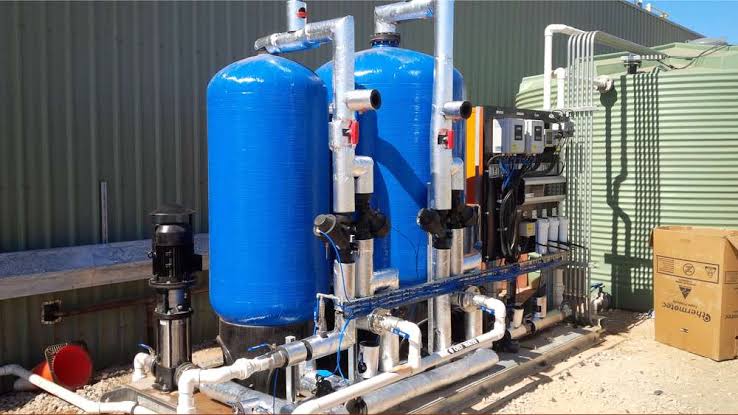
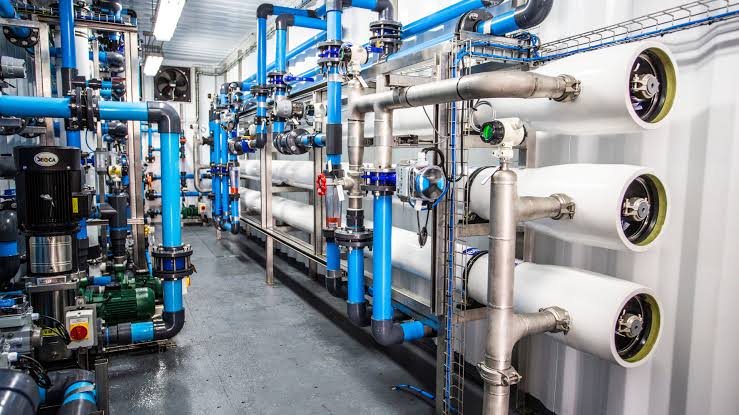
    reverse osmosis / drinking water systems are one option homeowners may consider when they want more advanced treatment for drinking water. Reverse osmosis works by pushing water through a specialized membrane that can reduce a range of dissolved substances, depending on the system and its design.

    It isn’t automatically the right choice for every household, though. The water entering your home, the contaminants you’re concerned about, and your daily usage all matter.

    Good treatment starts with understanding the problem first.

    What Hard Water Does Around the House

    Hard water is another common concern. Calcium and magnesium naturally occur in many water supplies, and elevated levels can create noticeable household problems.

    You might see chalky deposits around faucets or showerheads. Glassware can develop spots, and cleaning the bathroom may become a never-ending chore. Over time, mineral deposits can also accumulate inside water-using appliances.

    For homes where hardness is the main issue, water softeners can be an important part of a broader water-treatment strategy. These systems are designed to reduce hardness minerals before they travel throughout the home’s plumbing.

    The difference can be surprisingly noticeable. Soap may work more effectively, fixtures can be easier to clean, and that stubborn mineral film may become much less of a daily nuisance.

    Not Every Filter Solves Every Problem

    One common mistake is assuming that all water-treatment equipment does the same thing.

    It doesn’t.

    A softener primarily addresses hardness. A carbon filter may be useful for certain taste and odor concerns. Reverse osmosis is commonly used for specific drinking-water applications. Sediment filtration can help with particles that enter the water supply.

    This is why product selection should come after identifying the water issue.

    Think of it like buying shoes. You wouldn’t choose hiking boots simply because they’re high quality if you’re planning to run a marathon. The equipment needs to fit the job.

    Whole-Home Treatment Can Be Different

    A drinking-water system focuses on water at specific points of use. Whole-home treatment takes a different approach by treating water as it enters the property or at another centralized location.

    This can make sense when the issue affects showers, laundry, plumbing fixtures, and appliances—not just drinking water.

    For example, if mineral deposits are appearing throughout the home, treating only the kitchen faucet won’t solve what’s happening in the shower or washing machine.

    The right setup depends on how widespread the water issue is.

    Don’t Forget the Air Inside Your Home

    Water quality isn’t the only part of the indoor environment that can affect comfort. Most people spend a lot of time inside their homes, so air quality deserves some attention too.

    Dust, airborne particles, odors, and other indoor pollutants can accumulate depending on ventilation, cleaning habits, pets, building materials, and outdoor conditions.

    That’s where air purification can complement a broader approach to creating a more comfortable home environment. Different air-purification technologies target different types of airborne particles or pollutants, so it’s important to understand what a particular system is designed to do.

    Again, more technology doesn’t necessarily mean better results. The goal is to match the system to the actual indoor conditions.

    Maintenance Makes a Bigger Difference Than People Think

    Buying a treatment system is only part of the process. Maintenance matters.

    Filters eventually need to be replaced. Softening equipment may require service, and air-purification components can also have recommended replacement schedules.

    It’s easy to forget these tasks because everything usually works quietly in the background. There isn’t a dashboard flashing a warning every time a filter reaches the end of its useful life.

    A simple calendar reminder can help.

    If a manufacturer recommends a particular maintenance interval, follow it. Neglecting routine service can reduce performance and may create avoidable expenses later.

    Think About the Long-Term Cost

    The cheapest system isn’t always the least expensive option over time.

    When comparing treatment equipment, consider more than the initial purchase price. Look at installation, replacement filters, maintenance, water usage, energy requirements, and expected service life.

    A system that costs slightly more upfront but is easier to maintain may make better financial sense in the long run.

    At the same time, there’s no reason to pay for features your household doesn’t need.

    Practical beats flashy.

    Professional Guidance Can Remove the Guesswork

    Water treatment can get technical quickly. Terms like membranes, flow rates, regeneration, filtration media, micron ratings, and contaminant reduction can make the process feel more complicated than it needs to be.

    A qualified professional can help interpret test results and explain which options make sense for your property.

    That doesn’t mean you should blindly accept the first recommendation. Ask questions. Understand what the equipment is designed to address. Find out what maintenance will be required and what the ongoing costs look like.

    An informed homeowner is in a much better position to make a good decision.

    Build a Solution Around Your Home

    There isn’t one perfect combination of water and air equipment for every household. A family with hard municipal water may have very different priorities from someone relying on a private well. A homeowner mainly concerned with drinking water may not need the same setup as someone dealing with whole-home scale.

    Start with the actual problem. Test when appropriate. Consider how your family uses water, and don’t overlook maintenance.

    The best system is rarely the one with the longest feature list. It’s the one that quietly does its job without creating unnecessary complications.

    At the end of the day, that’s really what better home water treatment should feel like. You shouldn’t have to think about it every morning. You should simply turn on the tap, fill a glass, take a shower, or start the dishwasher and trust that your home’s water is being handled in a sensible way.

  • Finding a Plumbing Company in Santa Ana You Can Actually Rely On

    Finding a Plumbing Company in Santa Ana You Can Actually Rely On

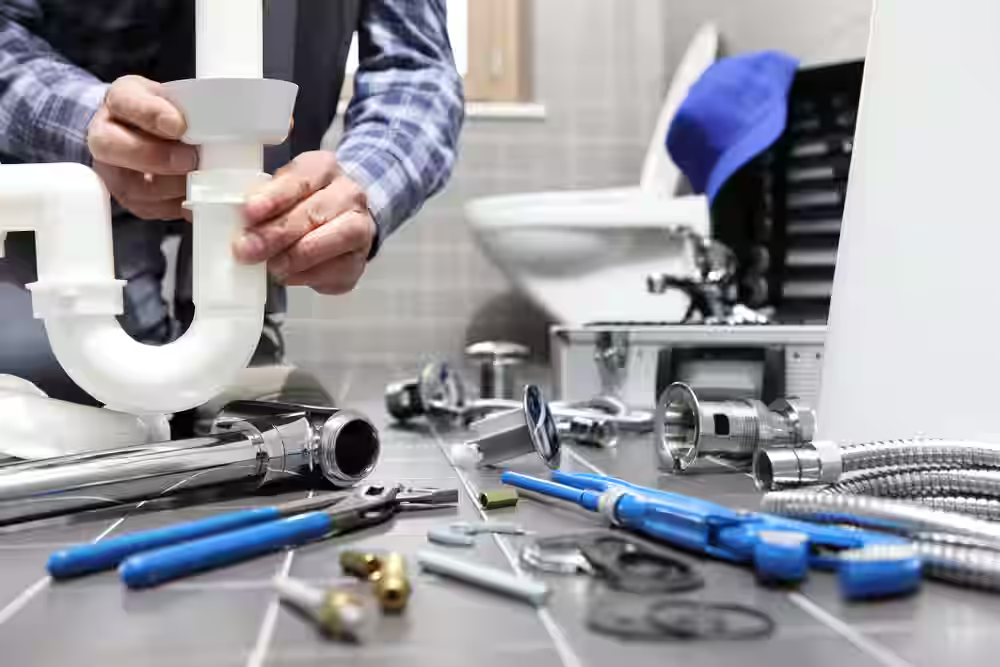
    Plumbing problems have a way of appearing at exactly the wrong moment. A slow drain might be manageable on a quiet Sunday afternoon, but a burst pipe at midnight is a different story altogether. Suddenly, you’re standing in a puddle, looking for the main shut-off valve and wondering who you can trust to show up.

    For homeowners and businesses in Santa Ana, choosing a plumber isn’t only about finding someone who can fix a leaking faucet. It’s about finding a professional who understands the property, explains the problem clearly, and doesn’t turn every small issue into a giant project.

    The right plumbing company can become one of those useful contacts you hope you won’t need often — but you’re very glad to have when something goes wrong.

    What Makes a Good Plumbing Service Different?

    A good plumber should do more than put a temporary patch over the visible problem.

    Plumbing systems are connected, and one symptom can sometimes point to a larger issue. A slow drain might be caused by a simple obstruction, while recurring backups could indicate a deeper problem in the drain line. Likewise, low water pressure might come from a fixture, valve, leak, or supply issue.

    The best approach starts with diagnosis.

    That’s one reason people searching for the best plumbers services in santa ana should look beyond advertisements and focus on experience, communication, availability, and the range of work a company can actually handle.

    Experience Matters When Problems Aren’t Straightforward

    Some plumbing jobs are simple. Others require patience and detective work.

    Finding a hidden leak, diagnosing a sewer problem, locating a slab leak, or repairing damaged underground piping isn’t something you want handled with guesswork.

    Experienced technicians know how to investigate symptoms and use appropriate tools to narrow down the source. That can help prevent unnecessary demolition and reduce the chances of repairing the wrong component.

    It also means they can explain what they’re seeing rather than simply handing you an invoice.

    Residential and Commercial Plumbing Are Different

    A home’s plumbing system and a commercial property’s system don’t always have the same demands.

    Residential customers may need help with water heaters, toilets, faucets, drains, leaks, or repiping. Commercial properties can involve larger systems, multiple fixtures, complex supply lines, and scheduling concerns that affect employees or customers.

    A company capable of handling both can be especially useful for property owners and managers.

    When searching for a trusted plumbers company in santa ana, it’s worth checking whether the team has experience with the type of property you actually own. A plumber who regularly handles residential repairs may not necessarily be the best fit for a large commercial plumbing project.

    Emergency Plumbing Is About More Than Speed

    When water is pouring through a ceiling, speed matters. But rushing doesn’t mean quality should disappear.

    An emergency plumber needs to quickly identify the immediate danger, control the water where possible, and determine what needs to happen next.

    For homeowners, knowing the location of the main shut-off valve can help while you’re waiting. If it’s safe to do so, shutting off the water may limit additional damage.

    Once the plumber arrives, the goal should be to stabilize the situation first and then properly diagnose the underlying problem. A temporary emergency repair may be necessary, but it shouldn’t automatically become the permanent solution.

    Look for More Than One Type of Service

    Plumbing rarely stays in neat little categories.

    A water heater problem may reveal a plumbing connection issue. A drain backup could lead to an inspection of the sewer line. A leak beneath a sink might expose corrosion elsewhere.

    That’s why a company offering full-spectrum plumbing solutions can be valuable. Instead of calling one contractor for the initial problem and another when something related appears, you have access to a broader range of expertise.

    Services may include leak detection, drain cleaning, sewer repair, water heater work, repiping, fixture installation, backflow services, and emergency plumbing.

    The exact services vary from company to company, so it’s still worth asking what they handle before scheduling a job.

    Clear Communication Makes a Difference

    Nobody likes being surprised by a plumbing bill.

    Before major work begins, ask what the plumber believes is wrong, what repair is being recommended, and whether there are alternative solutions. If walls, floors, cabinets, or concrete need to be opened, ask about that too.

    A professional should be able to explain the situation in ordinary language.

    You don’t need to understand every plumbing term. You simply need enough information to make a reasonable decision about your property.

    Clear communication also helps prevent misunderstandings about the difference between an emergency repair and the permanent work that may follow.

    Don’t Ignore Small Plumbing Problems

    A dripping faucet may seem harmless. A toilet that runs occasionally might not seem worth calling about.

    But small problems can sometimes signal something bigger, especially when they keep returning.

    Recurring leaks, persistent drain odors, slow drainage, unusual water pressure, damp walls, and unexplained increases in water usage are all worth paying attention to.

    It doesn’t mean every symptom requires a major repair. In fact, catching a problem early can sometimes make the solution much simpler.

    Local Knowledge Can Be Useful

    Hiring a company familiar with Santa Ana and the surrounding area can have practical advantages. Local professionals may have experience with common property types, plumbing configurations, and the kinds of issues frequently encountered in the region.

    More importantly, a local company has a reputation to maintain.

    Look for businesses that clearly explain their services, provide professional communication, and are willing to answer questions. Reviews can offer useful clues, but don’t rely on ratings alone. Look at the experiences people describe and whether the company responds professionally when something goes wrong.

    Choose Reliability Over a Flashy Promise

    When your plumbing fails, it’s easy to choose the first company you find online.

    But if you have a little time — especially for non-emergency work — compare your options. Ask about experience, licensing where applicable, warranties, service availability, and pricing practices.

    The cheapest quote isn’t automatically the best value. A repair that lasts is generally worth more than a bargain fix that fails again a few months later.

    A Plumber You Trust Is Worth Keeping

    Most people don’t think about plumbing until something stops working. That’s understandable. It’s supposed to operate quietly in the background.

    Still, having a reliable professional in your contacts can make a stressful situation much easier.

    Whether you need a simple repair, help with an aging plumbing system, or assistance during a genuine emergency, choose a company that values careful diagnosis, honest communication, and quality workmanship.

    Santa Ana has plenty of plumbing needs, from everyday household repairs to complicated commercial projects. The trick is finding a team that treats your property — and your time — with the respect it deserves.

  • Keeping Your Water Treatment System Working When You Need It Most

    Keeping Your Water Treatment System Working When You Need It Most

    Most homeowners don’t think much about their water treatment system when it’s doing its job. That’s actually the point. You turn on the tap, take a shower, fill a glass, and everything works quietly in the background.

    Then something changes.

    The water pressure drops. A strange taste appears. The softener stops regenerating. Maybe there’s a small leak near the filter housing. Suddenly, that equipment in the utility room becomes very important.

    Like any home system, water treatment equipment works best when it’s installed correctly, looked after regularly, and repaired before a small issue turns into a major one. A little attention can go a surprisingly long way.

    Start With a Proper Installation

    The foundation of reliable water treatment is a good installation.

    It sounds obvious, but even high-quality equipment can perform poorly when it’s incorrectly sized, badly connected, or installed without considering the home’s water pressure and plumbing layout.

    A professional water treatment system installation should begin with understanding the household’s water conditions and daily usage. The installer needs to know what the system is expected to accomplish, how much water the household typically uses, and where the equipment can be safely placed.

    Things like drain access, electrical requirements, bypass valves, pipe sizing, and available service space all matter.

    It might seem like overkill when you’re simply installing a filter or softener, but these details can affect performance for years. Getting them right from day one is much easier than correcting them later.

    Why Water Testing Matters Before Repairs

    When a treatment system isn’t working properly, the first instinct is often to replace a part.

    Sometimes that’s the answer. Sometimes it isn’t.

    Water treatment equipment can experience several different problems, including clogged filters, worn seals, incorrect settings, low pressure, exhausted media, electrical faults, or problems with the incoming water itself.

    Before jumping to conclusions, it’s useful to check the water quality and inspect the system as a whole. If the water has changed noticeably, testing can help determine whether the equipment is failing or whether something else has changed upstream.

    This is particularly important for private wells, where seasonal or environmental changes can affect water chemistry.

    Recognizing the Signs of a Problem

    Water treatment problems don’t always announce themselves with a dramatic leak.

    Sometimes the signs are subtle.

    You may notice a sudden change in taste or odor. Perhaps your water starts leaving more mineral spots on dishes. Maybe the shower pressure feels weaker than usual. A softener might seem to use more salt than it normally does, or the system may stop cycling correctly.

    These are good reasons to investigate rather than simply ignoring the problem.

    A timely water treatment system repair can often prevent a relatively small issue from becoming a much more expensive failure. For example, a leaking connection may be easy to fix when noticed early, but leaving water around equipment for months can create additional damage.

    Pay attention to changes. Your water system is usually pretty good at giving you clues.

    Regular Maintenance Is the Quiet Hero

    Maintenance isn’t exciting. Nobody gets particularly thrilled about replacing a filter on a Saturday morning.

    Still, it matters.

    A sensible water treatment system maintenance routine can include replacing filters, checking connections, cleaning components, inspecting tanks, monitoring pressure, and servicing equipment according to manufacturer recommendations.

    Different systems have different schedules. A sediment filter may need replacement more frequently than another type of filter. UV systems require lamp replacement. Water softeners need appropriate salt levels and periodic checks.

    The important thing is not to follow a random maintenance schedule from the internet. Follow the equipment manufacturer’s recommendations and adjust them when actual water usage or water quality requires it.

    Don’t Let Filters Become an Afterthought

    Filters are one of the easiest parts of a treatment system to forget.

    They’re also one of the most important.

    A filter that becomes overloaded with sediment can restrict water flow and reduce system performance. In some systems, an exhausted filter may simply stop providing the level of treatment you expected.

    Keep track of when filters are installed. Write the date on the housing or set a calendar reminder.

    It takes almost no effort, and future-you will appreciate it.

    If you notice reduced pressure or a change in water taste before the scheduled replacement date, don’t wait just because the calendar says you’re early. Actual conditions can vary.

    Professional Service Can Be Worth It

    Homeowners can handle some basic maintenance, but not every problem should become a DIY experiment.

    Water treatment equipment combines plumbing, pressure, filtration media, electrical components, and sometimes specialized control systems. A mistake can affect both water quality and property.

    A qualified technician can inspect the equipment, identify the source of the problem, test performance, and recommend the appropriate repair.

    Professional service is particularly useful when the system is complicated, when leaks are involved, or when water quality has changed unexpectedly.

    It’s usually cheaper to solve the right problem once than repeatedly replace parts without knowing what’s actually wrong.

    Keep an Eye on Performance

    One of the easiest ways to protect a water treatment system is simply to know how it normally behaves.

    Notice the usual water pressure. Pay attention to taste and odor. Know how often the softener regenerates or how frequently filters are replaced.

    When something changes, you’ll recognize it much faster.

    You can also keep a simple service record containing installation details, filter changes, repairs, water test results, and other maintenance work. If a technician needs to troubleshoot the system later, that history can be extremely helpful.

    Good Water Treatment Is an Ongoing Process

    Installing a water treatment system isn’t the end of the story. It’s the beginning of a routine.

    A well-installed system should be sized correctly and configured for the home’s needs. Regular maintenance helps preserve its performance, while timely repairs can prevent minor problems from becoming major ones.

    Most importantly, don’t ignore changes in your water. Strange odors, unusual tastes, leaks, pressure problems, or sudden changes in system behavior deserve attention.

    Your water treatment equipment doesn’t need constant fussing over. It simply needs sensible care at the right times. Give it that, and it can quietly do what you bought it to do — provide reliable treatment while protecting your plumbing, appliances, and everyday peace of mind.

  • Small Plumbing Repairs Can Make a Big Difference in the Comfort of Your Home

    Small Plumbing Repairs Can Make a Big Difference in the Comfort of Your Home

    Most plumbing problems don’t begin with a dramatic burst pipe or a flooded bathroom. More often, they start quietly. A faucet drips just enough to be annoying. The shower loses pressure little by little. A sink drains slower than it used to, or a tiny leak appears beneath the vanity that seems harmless at first.

    It’s easy to put these things off. Life gets busy, and a small plumbing issue rarely feels urgent. But those little inconveniences have a habit of growing into larger, more expensive repairs if they’re ignored for too long.

    The good news is that many plumbing problems are straightforward when addressed early. A quick repair today can prevent water damage, lower utility bills, and keep your home’s plumbing working the way it should.

    Sometimes the smallest fixes end up making the biggest difference.

    Everyday Fixtures Work Harder Than We Realize

    Take a moment to think about how often you use your plumbing fixtures.

    You wash your hands several times a day.

    Brush your teeth morning and night.

    Take showers.

    Wash dishes.

    Prepare meals.

    Clean vegetables.

    Fill water bottles.

    Run laundry.

    Every one of those routines depends on sinks, faucets, drains, and showers performing reliably. Because these fixtures are used constantly, it’s perfectly normal for components to wear over time.

    Washers deteriorate.

    Cartridges wear out.

    Seals lose flexibility.

    Drain assemblies collect buildup.

    Eventually, even high-quality fixtures require maintenance.

    Don’t Ignore Minor Fixture Problems

    Many homeowners assume a dripping faucet or slow drain is simply part of owning an older home.

    The reality is different.

    Small leaks waste water every day.

    Loose fixtures can eventually damage countertops or cabinets.

    Slow drainage often signals buildup that becomes much harder to remove if left untreated.

    Even low shower pressure can indicate hidden plumbing issues beyond the showerhead itself.

    Addressing these concerns early usually keeps repair costs much lower than waiting until larger damage develops.

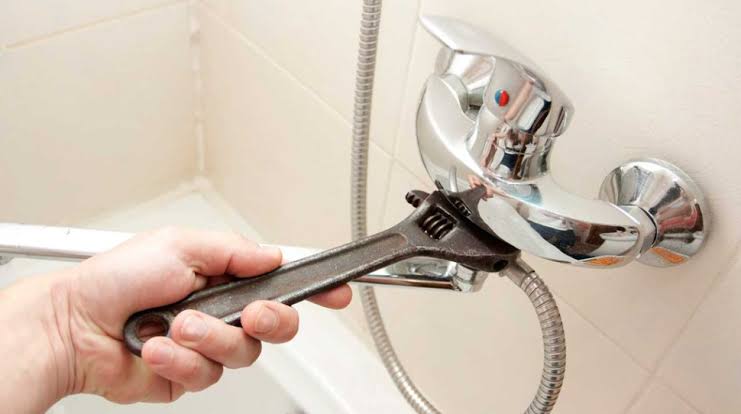
    Why fixtures sink shower repair Should Be Handled Promptly

    Professional fixtures sink shower repair involves much more than replacing worn parts.

    Experienced plumbers inspect the surrounding plumbing, check for hidden leaks, verify water pressure, examine drain performance, and ensure fixtures continue operating efficiently after repairs are complete.

    Sometimes a visible leak is only the symptom of a deeper issue inside the plumbing system.

    By identifying the actual cause instead of simply treating the symptom, professional repairs help reduce repeat service calls and extend the life of your plumbing fixtures.

    It’s a smarter long-term approach that often saves homeowners both money and frustration.

    Your Kitchen Sink Does More Than You Think

    The kitchen sink is easily one of the busiest workstations in the house.

    It’s used for washing dishes, preparing meals, rinsing produce, filling pots, cleaning cookware, and countless other daily tasks.

    Because of that constant activity, it’s also one of the first plumbing fixtures to show signs of wear.

    Leaks beneath the sink, damaged faucets, clogged drains, loose garbage disposal connections, and worn supply lines can all develop gradually over time.

    Most of these issues begin small but become increasingly expensive when ignored.

    Why Professional sink repair services Matter

    While some homeowners attempt temporary fixes, professional sink repair services  often provide a much more reliable solution.

    A trained plumber doesn’t simply stop the leak.

    They evaluate drain connections, supply lines, shutoff valves, faucet components, seals, mounting hardware, and surrounding plumbing to ensure the entire system operates properly.

    That comprehensive inspection frequently uncovers additional issues before they become serious problems.

    Professional repairs also help protect cabinets, flooring, and countertops from hidden water damage that may not be immediately visible.

    It’s not just about fixing today’s leak—it’s about preventing tomorrow’s repair bill.

    The Shower Is One of the Most Used Fixtures in Any Home

    For many families, the shower is used multiple times every day.

    That constant use naturally creates wear on valves, cartridges, seals, showerheads, drain assemblies, and water supply connections.

    Over time, homeowners may notice:

    • Reduced water pressure
    • Dripping showerheads
    • Water temperature fluctuations
    • Slow drains
    • Loose handles
    • Leaks behind walls

    These aren’t simply inconveniences.

    Left untreated, they can contribute to water waste, mold growth, and even structural damage if hidden leaks continue unnoticed.

    Quality shower repair services Protect More Than the Bathroom

    Professional shower repair services  help restore proper water pressure, eliminate leaks, improve temperature control, and ensure plumbing components continue functioning safely.

    Equally important, experienced plumbers inspect surrounding plumbing for hidden moisture that might otherwise remain unnoticed behind walls or beneath flooring.

    Water has a remarkable ability to travel.

    A small leak inside a shower wall can eventually damage framing, insulation, drywall, and flooring before visible signs appear inside the bathroom.

    Early repairs often prevent far larger restoration projects later.

    That’s one reason experienced homeowners rarely ignore shower problems for very long.

    Regular Maintenance Pays Off

    One of the simplest ways to avoid emergency plumbing repairs is through routine maintenance.

    Inspect visible plumbing connections every few months.

    Watch for dripping faucets.

    Pay attention to changing water pressure.

    Address slow drains before they become complete blockages.

    Replace worn caulking around sinks and showers when necessary.

    These small habits require very little time but often prevent expensive repairs in the future.

    Preventive maintenance almost always costs less than emergency restoration.

    Choosing the Right Plumber Makes Every Repair Better

    Not all plumbing repairs are created equal.

    Experienced plumbers combine technical knowledge with proper diagnostic skills, quality replacement parts, and careful workmanship that helps repairs last.

    They also explain what caused the problem, discuss available repair options, and offer practical maintenance advice that homeowners can actually use.

    That level of communication builds confidence and makes future plumbing decisions much easier.

    Rather than simply fixing a symptom, good plumbers help homeowners understand how to protect their plumbing system over the long term.

    Small Repairs Create Lasting Peace of Mind

    Homeowners often delay small plumbing repairs because the problems don’t seem urgent.

    Ironically, those minor issues are usually the easiest and least expensive to solve.

    Taking action early helps preserve fixtures, reduce water waste, protect surrounding materials, and avoid the inconvenience of emergency plumbing failures.

    More importantly, it allows your sinks, showers, and faucets to quietly do what they’re supposed to do—support everyday life without demanding attention.

    At the end of the day, reliable plumbing isn’t about flashy upgrades or complicated technology. It’s about making sure the little things work exactly as they should, every single time you turn on the tap. And when those small details are handled properly, your entire home simply feels more comfortable.

  • The Role of Emotional Availability in Creating Strong Bonds

    The Role of Emotional Availability in Creating Strong Bonds

    While dating normally starts off through attraction, shared hobbies, or fascinating conversation, none of them are enough for a relationship to thrive. There is always something beyond all these factors that defines what a relationship really is – emotional availability. Emotional availability entails being honest and genuine about how you feel, as well as giving your partner room to do the same.

    Emotional availability improves communication and trust and helps couples work through both happy times and tough situations. Regardless of whether you are at the beginning of a relationship or would like to improve an existing one, learning about emotional availability will be very valuable.

    What Does Emotional Availability Mean

    Being emotionally available involves creating a safe space where feelings can be expressed and understood. Perspectives from Kolkata call girls suggest that emotionally available individuals communicate clearly, accept emotions without judgment, and show their authentic selves in relationships.

    Emotional availability does not mean that you will be the only one who has all the answers and that you will never experience any emotional difficulties. Instead, emotional availability involves knowing your emotions, dealing with them, and understanding yourself and your partner.

    It also involves being consistent, reliable, and having genuine intentions of creating a good relationship founded on trust and mutual respect.

    Why Emotional Availability Is Essential in Dating

    One of the greatest benefits associated with emotional availability is trust. By engaging in effective communication, the couple can create a feeling of safety within themselves. When one knows that their partner is willing to be vulnerable with them and listen to their feelings, it is easy for them to develop trust in each other.

    Emotional availability also helps maintain effective communication. All relationships face problems; however, people who are emotionally available solve their problems through understanding rather than avoidance.

    They handle disagreements with patience by expressing concerns calmly, listening to each other, and finding solutions as a team. Perspectives from Surat call girls suggest that this kind of communication strengthens relationships and prevents unresolved matters from causing emotional separation.

    Perhaps one of the greatest advantages is the fact that it encourages greater emotional intimacy. Physical attraction may get people together, but emotional intimacy is what sustains the relationship.

    Speaking about their aspirations, fears, hopes, and life experiences will make the couple build a stronger relationship than just a superficial one. An emotional connection provides the groundwork for enduring commitment and true companionship.

    Signs of Emotional Availability

    Being emotionally available is important in helping one to establish better relationships. Emotionally available individuals communicate freely without using any mixed messages or psychological games. They listen to their partners, empathize with them, and affirm the emotions that they experience.

    They do not mind talking about the future and sharing their intentions sincerely. As opposed to the people who shy away from any confrontation, they deal with their problems in a mature manner. They take accountability for their actions, apologize when they need to, and work towards self-improvement.

    Another important sign includes respecting boundaries and being emotionally attached. They understand that in a good relationship there must be boundaries as well as emotional attachment.

    How to Become More Emotionally Available

    True emotional availability comes from knowing yourself and understanding your emotional needs. According to relationship advice from Ahmedabad call girls, identifying personal fears and overcoming past experiences can create space for honest communication and stronger connections.

    Express yourself genuinely, even when conversations get difficult. Being vulnerable does not mean being weak. It is one of the keys to establishing trust. Empathic listening is also very crucial since it demonstrates that you respect your partner’s emotions.

    Finally, be patient and consistent. Trust is built up gradually through open communication, reliable behavior, and understanding. It is small, consistent steps that usually make the most difference.

    Conclusion

    Emotional availability is perhaps the best asset you could have in any relationship. Emotional availability fosters trust and openness in communication, allowing the creation of that very intimacy that is necessary for love to flourish. Though physical attraction may be what initiates a bond, emotional availability is what sustains it. Making the choice to be honest, open, and supportive allows you to build a framework for having a happier and more meaningful dating life.

  • Peltier Module, Bevel Gear and Science Fair Experiments for Innovative Science Projects

    Peltier Module, Bevel Gear and Science Fair Experiments for Innovative Science Projects

    Introduction

    Science education becomes more engaging when students learn through hands-on experiments and working models. Modern science projects often include electronic components, mechanical systems, and thermal devices that demonstrate real-world engineering principles. From heat conversion to motion transfer and experimental demonstrations, these concepts help learners understand physics in a practical way. In this article, we explore important components and ideas used in building innovative models, including thermal devices, gear systems, and project-based learning activities commonly used in school exhibitions and competitions.

    Understanding the Peltier Module in Thermal Science

    A peltier module is a thermoelectric device that converts electrical energy into a temperature difference between its two sides. One side becomes hot while the other becomes cold when electricity passes through it. This principle is widely used in cooling systems, mini refrigerators, and electronic temperature control experiments. In science projects, it helps students understand heat transfer, thermodynamics, and energy conversion in a visual and practical way. By connecting the module with a heat sink and power supply, learners can observe real-time cooling effects. It is a popular component in STEM education because it demonstrates how electricity and temperature interact in modern engineering systems used in both industrial and academic applications.

    Bevel Gear and Mechanical Motion Transfer

    Mechanical systems rely on gears to transfer motion and power efficiently between different components. A bevel gear is specially designed to transfer rotational motion between intersecting shafts, usually at a 90-degree angle. This makes it highly useful in machinery, robotics, and mechanical science models. In school projects, bevel gears are used to demonstrate how direction of force and speed can be changed in a system without losing efficiency. Students often build gear-based models to understand torque, speed ratio, and mechanical advantage. These gears are commonly found in automotive differentials, hand drills, and industrial machines. Learning about them helps students connect theoretical physics concepts with real-world mechanical design applications effectively in engineering education environments.

    Science Project Ideas Using Modern Concepts

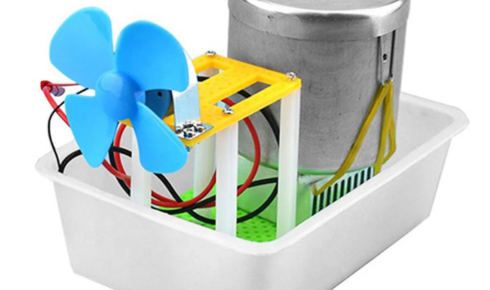
    A science project is a structured way for students to explore scientific principles through practical experiments and model building. Projects can range from simple working models to advanced systems involving electronics and mechanics. For example, combining thermal devices with mechanical systems can create innovative demonstrations of energy conversion and motion control. Students often use sensors, motors, and structural components to build interactive models for exhibitions. Science projects help improve creativity, problem-solving skills, and logical thinking. They also encourage teamwork and research-based learning. By experimenting with different materials and components, students gain deeper understanding of physics, chemistry, and engineering principles in a practical environment that supports innovation and curiosity.

    Science Fair Experiments for Students

    Participating in science fair experiments allows students to showcase their creativity and understanding of scientific concepts. These experiments are designed to be interactive, educational, and visually appealing for judges and audiences. Common ideas include energy conversion models, mechanical motion demonstrations, and environmental science displays. Science fairs encourage students to think critically and apply classroom knowledge to real-life situations. They also help develop presentation skills and confidence in explaining technical concepts. Teachers often guide students in selecting safe and effective experiments that demonstrate clear scientific principles. By preparing and presenting these projects, students gain valuable experience in research, design, and communication, which supports their overall academic development and interest in STEM fields.

    Conclusion

    Modern science education focuses on practical learning through experiments and working models that combine physics, electronics, and mechanical systems. Devices like thermoelectric modules help explain energy conversion, while gear systems demonstrate mechanical motion and force transmission. Project-based learning encourages students to explore scientific principles in a creative and engaging way. Science fairs further enhance this experience by providing a platform to present innovative ideas and experimental results. Together, these learning methods build strong foundational knowledge and inspire future engineers and scientists. Exploring such concepts not only improves academic performance but also develops problem-solving abilities and innovation skills essential for future technological advancements.

  • Essential Reasons to Work With Navigator International

    Essential Reasons to Work With Navigator International


    Ultimately, global construction success depends on more than execution—it depends on who is trusted to lead it. Complex environments, shifting regulations, and high-stakes expectations demand a partner that can think ahead, adapt quickly, and deliver consistently. Organizations seeking that level of reliability often look beyond standard contractors and toward firms with proven global discipline and structure.

    A Global Network That Moves Projects Forward Anywhere

    Large-scale projects rarely succeed without a strong international presence. Access to regions, suppliers, and skilled teams can determine whether timelines are met or missed. Navigator International Global Construction operates with an established global network that allows projects to progress even in remote or logistically challenging areas.

    This reach is not just about geography—it is about capability. Teams are positioned to respond quickly, mobilize resources efficiently, and maintain continuity regardless of location. Nav Int leverages this network to ensure that projects do not stall when conditions become difficult, allowing clients to rely on consistent forward movement from start to finish.

    Strategic Planning That Aligns With Real-World Demands

    Every project carries unique goals, constraints, and operational requirements. A one-size-fits-all approach often leads to inefficiencies that affect both performance and cost. Navigator International focuses on creating strategies tailored to each project’s purpose.

    This approach allows teams to align resources, timelines, and execution methods with real-world conditions rather than theoretical plans. By understanding the mission behind the build, Nav Int ensures that each decision supports the desired outcome. This level of planning helps prevent misalignment and keeps projects focused on delivering meaningful results.

    Performance That Reflects Proven Results in Complex Environments

    Reliability is built through experience. Projects that involve high-pressure conditions require a track record that demonstrates consistency, not just capability. Navigator International Government construction reflects a history of delivering results in demanding environments where precision and accountability are essential.

    This experience allows teams to approach new challenges with confidence. Nav Int understands how to maintain performance under pressure, ensuring that projects meet expectations even when conditions are less than ideal. Clients benefit from a partner whose past work reinforces its ability to deliver in the present.

    Compliance That Keeps Projects Moving Without Disruption

    Regulatory requirements can vary widely across regions, and failure to meet them can halt progress immediately. Navigator International Construction Company operations are structured to ensure compliance is addressed at every stage of the project.

    Teams are trained to navigate complex frameworks, ensuring that all work aligns with local and international standards. This proactive approach reduces the risk of delays and allows projects to proceed without unnecessary interruptions. By maintaining strict adherence to regulations, Nav Int helps protect both timelines and overall project integrity.

    Technology That Enhances Accuracy and Coordination

    Modern construction demands tools that improve precision and communication across teams. Navigator International integrates advanced technology into its processes to support real-time monitoring and data-driven decision-making.

    This allows project managers to track progress, identify potential issues, and maintain alignment across all phases. Nav Int uses these tools to strengthen coordination, ensuring that every detail is accounted for. The result is a more efficient workflow that reduces errors and supports consistent outcomes.

    Client Support That Extends Beyond Project Completion

    Strong partnerships are defined by ongoing support and clear communication. Navigator International prioritizes a client-focused approach that ensures alignment from initial planning through final delivery.

    Teams remain engaged throughout the process, addressing concerns, adapting to changes, and maintaining transparency. Nav Int understands that client needs evolve, and its support structure reflects that reality. This commitment creates a collaborative environment where success is shared and sustained over time.

    Sustainability That Reflects Long-Term Responsibility

    Construction projects have an impact that extends beyond immediate goals. Navigator International incorporates sustainable and ethical practices into its operations, ensuring that development is carried out responsibly.

    This includes thoughtful resource management and a focus on minimizing environmental impact. Nav Int approaches each project with an awareness of its broader implications, balancing performance with responsibility. This perspective supports long-term value, both for clients and the communities affected by the work.

    Choosing the right partner is a defining step in any global project. Navigator International brings together experience, structure, and adaptability to meet the demands of complex construction environments. Through its global capabilities and disciplined approach, Navigator International continues to support projects that require precision, reliability, and a clear path to success.

  • A Complete Guide to HSRP Number Plate and Easy Number Plate Booking in India

    A Complete Guide to HSRP Number Plate and Easy Number Plate Booking in India

    If you’ve recently heard about new vehicle rules or faced issues during traffic checks, chances are the term hsrp number plate has come up. It’s no longer just a regulatory formality—it’s becoming essential for every vehicle owner in India. Whether you drive a car or ride a bike, understanding the process of number plate booking can save you time, money, and unnecessary penalties.

    Let’s break it down in a simple, practical way.


    What is an HSRP Number Plate?

    An HSRP (High Security Registration Plate) is a standardized number plate introduced by the government to improve vehicle security and reduce fraud. Unlike traditional plates, these come with advanced safety features like a chromium-based hologram, laser-etched unique identification number, and tamper-proof locks.

    These plates are designed to prevent duplication and misuse. So, if someone tries to tamper with it, the damage becomes obvious immediately. It’s a small upgrade, but it makes a big difference in road safety and vehicle tracking.


    Why HSRP is Mandatory for Vehicles

    The government has made HSRP mandatory for all vehicles sold before April 2019. New vehicles usually come with it pre-installed, but older vehicles still need to upgrade.

    There are a few solid reasons behind this rule:

    • Helps in reducing vehicle theft
    • Makes it easier for authorities to track vehicles
    • Standardizes registration across the country
    • Supports digital databases and smart traffic systems

    Skipping this upgrade might result in fines, and in some states, penalties are getting stricter.


    How Number Plate Booking Works

    The process of number plate booking has been made quite user-friendly. You don’t need to stand in long queues anymore; most of it can be done online.

    Here’s how it generally works:

    1. Visit the official HSRP booking portal for your state
    2. Enter your vehicle details (registration number, chassis number, etc.)
    3. Choose your nearby fitment center
    4. Select a convenient date and time slot
    5. Make the payment online

    Once booked, you simply visit the selected center on your chosen date, and the plate gets installed on your vehicle.


    Documents Required for HSRP Booking

    The process is simple, but you’ll still need a few basic documents:

    • Vehicle Registration Certificate (RC)
    • Valid ID proof
    • Contact details (mobile number, email)

    Make sure the details you enter match your RC exactly. Even small errors can delay the process.


    Cost of HSRP Number Plate

    The price of HSRP plates depends on the type of vehicle:

    • Two-wheelers: Usually ₹300–₹500
    • Four-wheelers: Around ₹600–₹1,200

    Some vehicles may require an additional color-coded fuel sticker, which can slightly increase the total cost.

    While it may feel like an extra expense, it’s a one-time investment that improves security and compliance.


    Common Mistakes to Avoid

    People often make small mistakes during booking that lead to delays or rejections. Here are a few things to keep in mind:

    • Double-check vehicle details before submission
    • Always use official government-approved portals
    • Don’t miss your appointment slot
    • Avoid third-party agents who charge extra unnecessarily

    A little attention upfront can save you from a lot of hassle later.


    Final Thoughts

    Upgrading to an HSRP number plate is no longer optional—it’s becoming a basic requirement for every vehicle owner. The good thing is, the process is now simple, mostly online, and doesn’t take much time if done correctly.

    If you haven’t already completed your number plate booking, it’s better to do it sooner rather than later. Not just to avoid fines, but to ensure your vehicle is safer and compliant with modern regulations.

    In the end, it’s one of those small steps that quietly make the entire system more secure—for you and everyone else on the road.