Good water makes a difference in ways we don’t always notice straight away. It’s there when you make your morning coffee, wash a load of laundry, or step into the shower after a long day. But when hard water leaves cloudy marks on your faucets or drinking water develops an unpleasant taste, those everyday routines can become a little more frustrating than they need to be.
The good news is that many common water concerns can be addressed with the right treatment system. The less obvious part is choosing equipment that suits your household and finding a service plan that keeps everything working without creating another chore. Installation quality, ongoing support, and predictable costs all deserve attention before you make a decision.
Start With What Your Water Actually Needs
It’s easy to assume that every home needs the same kind of water treatment, especially when product descriptions make broad promises about cleaner, better-tasting water. In reality, different water problems call for different solutions.
Hard water contains elevated levels of minerals such as calcium and magnesium. These minerals can contribute to scale buildup around faucets, reduce soap lather, and leave deposits inside water-heating equipment. A water softener may help address these issues.
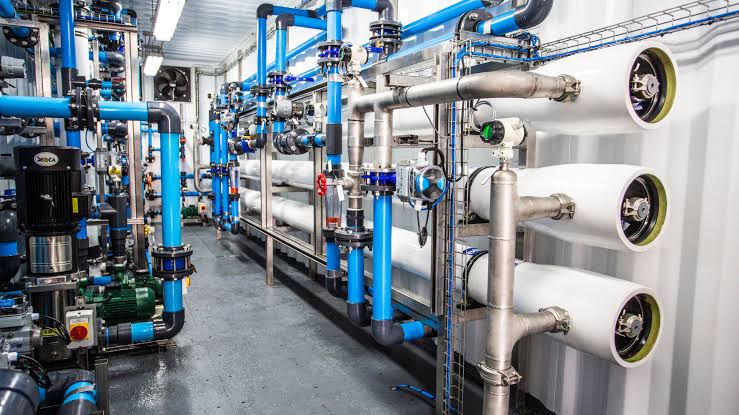
If your main complaint is the taste or smell of tap water, a suitable activated-carbon filter might be more appropriate. Other concerns, such as certain dissolved contaminants or microorganisms, require treatment methods specifically designed and tested for those hazards.
Start by reviewing your water source and, where appropriate, arranging a water test. Municipal water reports can provide useful information, while private well owners generally need to pay closer attention to testing because groundwater quality can change over time.
Knowing what you’re dealing with makes it easier to avoid paying for equipment that doesn’t solve your particular problem.
Why Proper Installation Matters
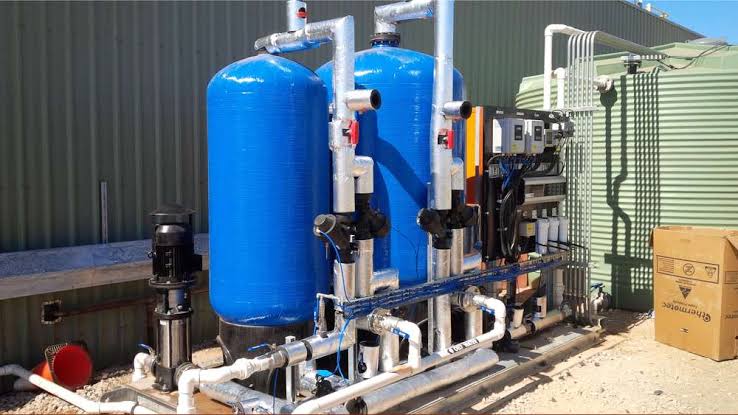
Once you’ve identified a suitable system, the next step is making sure it is installed correctly. Water treatment equipment connects to your home’s plumbing, and the installation must account for water pressure, flow requirements, available space, drainage, and the manufacturer’s instructions.
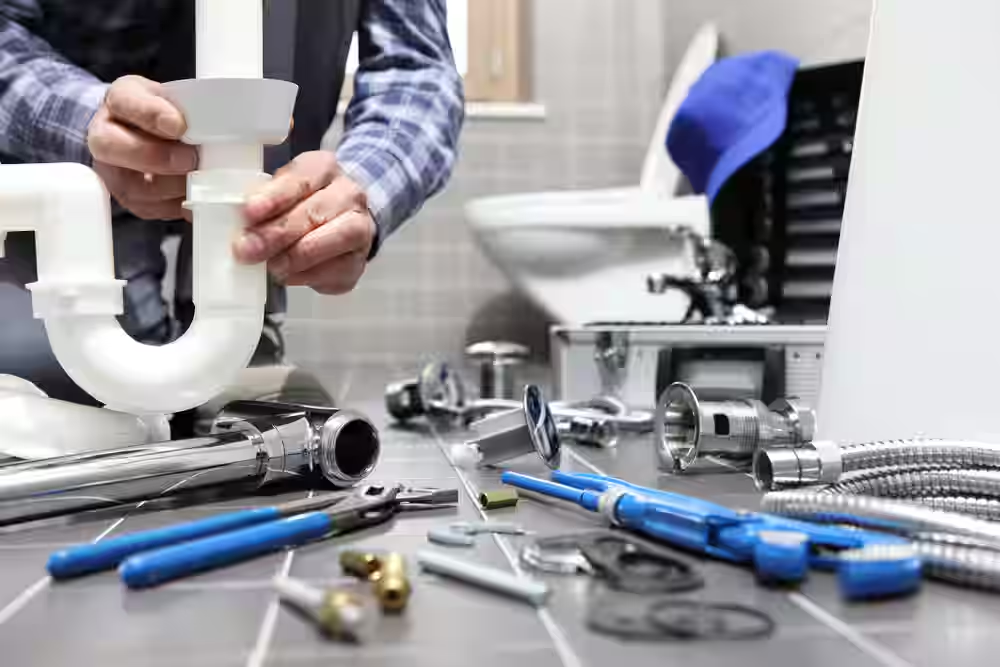
A professional installation helps reduce the risk of leaks, incorrect settings, and performance problems caused by poor setup. It also gives you an opportunity to ask questions before the technician leaves. You should understand how the system operates, which settings matter, and what routine attention it needs.
For example, a water softener that isn’t sized correctly may struggle to keep up with a larger household’s water use. A filtration unit installed without enough clearance can become awkward to service, even if it initially works as intended. These details aren’t especially glamorous, but they matter over the life of the equipment.
Before agreeing to an installation, ask whether plumbing modifications are included in the estimate. Clarify who handles any required electrical or drainage work and whether the installer will test the system after setup. If permits or licensed tradespeople are required locally, confirm those arrangements in advance.
A little preparation can prevent an otherwise straightforward job from turning into an expensive surprise.
Understand What Your Service Plan Covers
Water treatment systems need maintenance. Filters gradually collect material, softeners may require salt, and mechanical parts can wear down. Even a reliable system won’t perform at its best forever without some attention.
This is why a covered service plan may be worth considering. Depending on the provider and agreement, it might include routine inspections, selected repairs, labor, or replacement components. Some plans offer broad support, while others cover only specific tasks.
Don’t rely on the name of the plan alone. Ask for a written list of inclusions and exclusions. Are filter cartridges included? What about salt, emergency visits, labor, or parts that wear out naturally? Does the provider schedule maintenance automatically, or must you remember to book each appointment?
It’s also sensible to understand what happens if the system stops working between scheduled visits. A clear process for reporting a fault, arranging an appointment, and resolving the problem can save time and frustration.
If the equipment is intended to reduce a particular water-quality concern, ask how the provider verifies that it continues to perform as expected. Maintenance isn’t simply about keeping machinery tidy; it can be important to the treatment result itself.
Monthly Pricing Should Be Easy to Understand
For many households, the financial side of water treatment is just as important as the equipment. An affordable system can become less attractive if maintenance charges, replacement filters, or unexpected service fees keep appearing.
Look for transparent monthly rates that clearly explain what you’re paying for. A useful quote should identify the recurring payment, any upfront installation fee, the length of the agreement, and additional costs that may apply. If the plan includes equipment rental, find out who owns the system and what happens when the contract ends.
Comparing monthly payments alone can be misleading. One provider might charge slightly more but include scheduled servicing and common replacement parts. Another might advertise a lower rate while billing separately for nearly every visit. The better choice depends on the details, not the headline figure.
Ask whether the price can increase during the agreement and whether there are fees for early cancellation or moving home. If you’re comparing a rental plan with an outright purchase, estimate the total cost over several years, including maintenance and consumables.
Clear pricing makes household budgeting easier. More importantly, it allows you to compare providers fairly instead of discovering the real cost after you’ve signed.
Make Maintenance Part of Everyday Life
Even when a service provider handles most of the technical work, homeowners should know the basics of their system. Keep the user manual and installation details somewhere accessible. Make a note of recommended filter replacement dates and any maintenance tasks that require your attention.
If your system uses replaceable cartridges, don’t assume that a filter is still effective simply because water continues to flow through it. Follow the manufacturer’s replacement schedule and any guidance based on actual water usage. For softeners, check salt levels when required and use the type recommended for the unit.
Pay attention to changes, too. A sudden drop in water pressure, unusual noises, visible leaks, or a return of the original taste or odor may indicate that the system needs attention. These signs don’t always mean the equipment has failed, but they’re worth investigating rather than ignoring.
Avoid opening pressurized components or attempting repairs beyond your experience. A qualified service professional can identify the problem and help prevent a small fault from causing more damage.
Choose a Provider You Can Rely On
Equipment specifications tell only part of the story. The company behind the system matters, particularly when you need advice or service months after installation.
Look for clear communication, written estimates, relevant qualifications, and a realistic explanation of what the equipment can and cannot do. Ask how service appointments are arranged and whether support is available if something goes wrong unexpectedly.
Be cautious of anyone who promises that one device removes every possible contaminant or insists you must buy immediately to receive a special deal. Reliable professionals explain the reasoning behind their recommendations and give you room to compare alternatives.
Customer reviews can help, especially when they mention follow-up service rather than just the initial sale. Still, look for patterns across several reviews instead of relying on one glowing comment or one unhappy customer.
A Better Water Setup Starts With a Better Plan
Improving your home’s water doesn’t have to mean buying the most expensive equipment or managing a complicated maintenance routine. It starts with identifying the actual issue, selecting an appropriate system, and making sure installation and ongoing service are handled properly.
Compare service coverage, check the details behind monthly pricing, and ask questions before committing. A system that fits your water quality, household size, and budget is far more useful than one chosen simply because it sounds impressive.
With the right equipment and dependable support, water treatment can become one of those quiet home improvements you appreciate every day. The goal isn’t to think about your water constantly. It’s to have a system you can trust, costs you understand, and a clear plan for keeping everything running well.