Most homeowners don’t think much about their water treatment system when it’s doing its job. That’s actually the point. You turn on the tap, take a shower, fill a glass, and everything works quietly in the background.
Then something changes.
The water pressure drops. A strange taste appears. The softener stops regenerating. Maybe there’s a small leak near the filter housing. Suddenly, that equipment in the utility room becomes very important.
Like any home system, water treatment equipment works best when it’s installed correctly, looked after regularly, and repaired before a small issue turns into a major one. A little attention can go a surprisingly long way.
Start With a Proper Installation
The foundation of reliable water treatment is a good installation.
It sounds obvious, but even high-quality equipment can perform poorly when it’s incorrectly sized, badly connected, or installed without considering the home’s water pressure and plumbing layout.
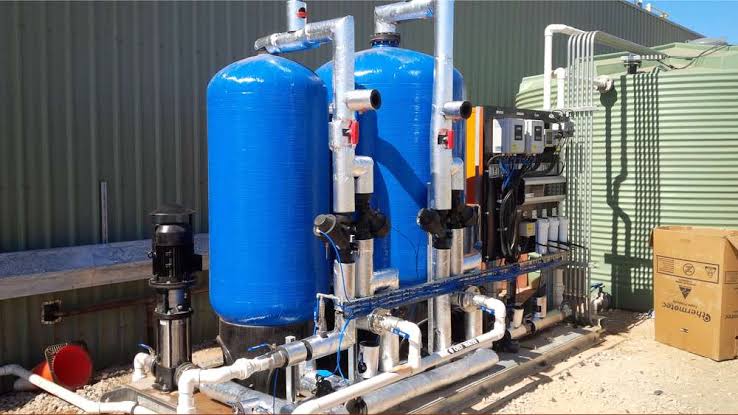
A professional water treatment system installation should begin with understanding the household’s water conditions and daily usage. The installer needs to know what the system is expected to accomplish, how much water the household typically uses, and where the equipment can be safely placed.
Things like drain access, electrical requirements, bypass valves, pipe sizing, and available service space all matter.
It might seem like overkill when you’re simply installing a filter or softener, but these details can affect performance for years. Getting them right from day one is much easier than correcting them later.
Why Water Testing Matters Before Repairs
When a treatment system isn’t working properly, the first instinct is often to replace a part.
Sometimes that’s the answer. Sometimes it isn’t.
Water treatment equipment can experience several different problems, including clogged filters, worn seals, incorrect settings, low pressure, exhausted media, electrical faults, or problems with the incoming water itself.
Before jumping to conclusions, it’s useful to check the water quality and inspect the system as a whole. If the water has changed noticeably, testing can help determine whether the equipment is failing or whether something else has changed upstream.
This is particularly important for private wells, where seasonal or environmental changes can affect water chemistry.
Recognizing the Signs of a Problem
Water treatment problems don’t always announce themselves with a dramatic leak.
Sometimes the signs are subtle.
You may notice a sudden change in taste or odor. Perhaps your water starts leaving more mineral spots on dishes. Maybe the shower pressure feels weaker than usual. A softener might seem to use more salt than it normally does, or the system may stop cycling correctly.
These are good reasons to investigate rather than simply ignoring the problem.
A timely water treatment system repair can often prevent a relatively small issue from becoming a much more expensive failure. For example, a leaking connection may be easy to fix when noticed early, but leaving water around equipment for months can create additional damage.
Pay attention to changes. Your water system is usually pretty good at giving you clues.
Regular Maintenance Is the Quiet Hero
Maintenance isn’t exciting. Nobody gets particularly thrilled about replacing a filter on a Saturday morning.
Still, it matters.
A sensible water treatment system maintenance routine can include replacing filters, checking connections, cleaning components, inspecting tanks, monitoring pressure, and servicing equipment according to manufacturer recommendations.
Different systems have different schedules. A sediment filter may need replacement more frequently than another type of filter. UV systems require lamp replacement. Water softeners need appropriate salt levels and periodic checks.
The important thing is not to follow a random maintenance schedule from the internet. Follow the equipment manufacturer’s recommendations and adjust them when actual water usage or water quality requires it.
Don’t Let Filters Become an Afterthought
Filters are one of the easiest parts of a treatment system to forget.
They’re also one of the most important.
A filter that becomes overloaded with sediment can restrict water flow and reduce system performance. In some systems, an exhausted filter may simply stop providing the level of treatment you expected.
Keep track of when filters are installed. Write the date on the housing or set a calendar reminder.
It takes almost no effort, and future-you will appreciate it.
If you notice reduced pressure or a change in water taste before the scheduled replacement date, don’t wait just because the calendar says you’re early. Actual conditions can vary.
Professional Service Can Be Worth It
Homeowners can handle some basic maintenance, but not every problem should become a DIY experiment.
Water treatment equipment combines plumbing, pressure, filtration media, electrical components, and sometimes specialized control systems. A mistake can affect both water quality and property.
A qualified technician can inspect the equipment, identify the source of the problem, test performance, and recommend the appropriate repair.
Professional service is particularly useful when the system is complicated, when leaks are involved, or when water quality has changed unexpectedly.
It’s usually cheaper to solve the right problem once than repeatedly replace parts without knowing what’s actually wrong.
Keep an Eye on Performance
One of the easiest ways to protect a water treatment system is simply to know how it normally behaves.
Notice the usual water pressure. Pay attention to taste and odor. Know how often the softener regenerates or how frequently filters are replaced.
When something changes, you’ll recognize it much faster.
You can also keep a simple service record containing installation details, filter changes, repairs, water test results, and other maintenance work. If a technician needs to troubleshoot the system later, that history can be extremely helpful.
Good Water Treatment Is an Ongoing Process
Installing a water treatment system isn’t the end of the story. It’s the beginning of a routine.
A well-installed system should be sized correctly and configured for the home’s needs. Regular maintenance helps preserve its performance, while timely repairs can prevent minor problems from becoming major ones.
Most importantly, don’t ignore changes in your water. Strange odors, unusual tastes, leaks, pressure problems, or sudden changes in system behavior deserve attention.
Your water treatment equipment doesn’t need constant fussing over. It simply needs sensible care at the right times. Give it that, and it can quietly do what you bought it to do — provide reliable treatment while protecting your plumbing, appliances, and everyday peace of mind.