Water plays a bigger role in our homes than we usually realize. We drink it, cook with it, wash our clothes, clean dishes, bathe, and use it for countless little things throughout the day. When the water is clean and pleasant, nobody really thinks about it. But when the taste changes, mineral deposits start appearing, or appliances seem to struggle, the quality of that water suddenly becomes hard to ignore.
The good news is that homeowners have more options today than simply putting up with those problems. From drinking-water filtration to whole-home treatment and even indoor air solutions, modern systems can be tailored around the way a household actually lives.
The trick is knowing what you need instead of buying equipment simply because it sounds impressive.
Start With the Water You Actually Have
Every home has different water conditions. Some properties deal mostly with hardness, while others may have concerns related to taste, odor, sediment, or specific contaminants. Even homes in the same neighborhood can experience differences because plumbing, water sources, and household infrastructure aren’t always identical.
That’s why the smartest place to begin is with observation and, when appropriate, water testing.
Look at what’s happening around the house. Are faucets collecting white residue? Does your water taste different from the way it used to? Do glasses come out of the dishwasher with spots? Are you using more soap than usual?
These everyday clues can help point you toward the type of treatment worth considering.
When Drinking Water Deserves Extra Attention
For many families, improving the water they actually consume is a top priority. A dedicated drinking-water solution can provide another layer of filtration right where water is used for drinking and cooking.
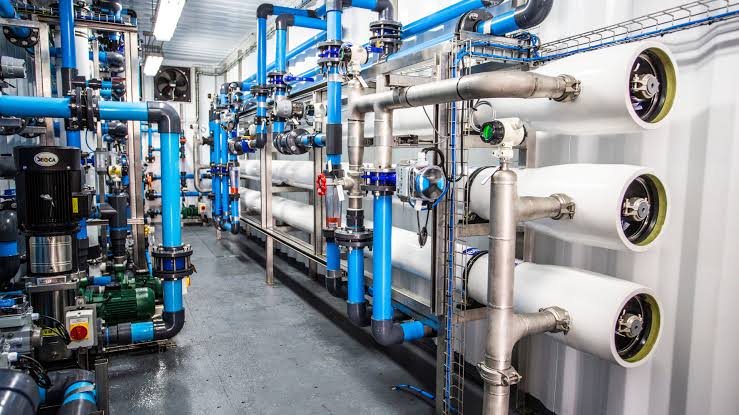
reverse osmosis / drinking water systems are one option homeowners may consider when they want more advanced treatment for drinking water. Reverse osmosis works by pushing water through a specialized membrane that can reduce a range of dissolved substances, depending on the system and its design.
It isn’t automatically the right choice for every household, though. The water entering your home, the contaminants you’re concerned about, and your daily usage all matter.
Good treatment starts with understanding the problem first.
What Hard Water Does Around the House
Hard water is another common concern. Calcium and magnesium naturally occur in many water supplies, and elevated levels can create noticeable household problems.
You might see chalky deposits around faucets or showerheads. Glassware can develop spots, and cleaning the bathroom may become a never-ending chore. Over time, mineral deposits can also accumulate inside water-using appliances.
For homes where hardness is the main issue, water softeners can be an important part of a broader water-treatment strategy. These systems are designed to reduce hardness minerals before they travel throughout the home’s plumbing.
The difference can be surprisingly noticeable. Soap may work more effectively, fixtures can be easier to clean, and that stubborn mineral film may become much less of a daily nuisance.
Not Every Filter Solves Every Problem
One common mistake is assuming that all water-treatment equipment does the same thing.
It doesn’t.
A softener primarily addresses hardness. A carbon filter may be useful for certain taste and odor concerns. Reverse osmosis is commonly used for specific drinking-water applications. Sediment filtration can help with particles that enter the water supply.
This is why product selection should come after identifying the water issue.
Think of it like buying shoes. You wouldn’t choose hiking boots simply because they’re high quality if you’re planning to run a marathon. The equipment needs to fit the job.
Whole-Home Treatment Can Be Different
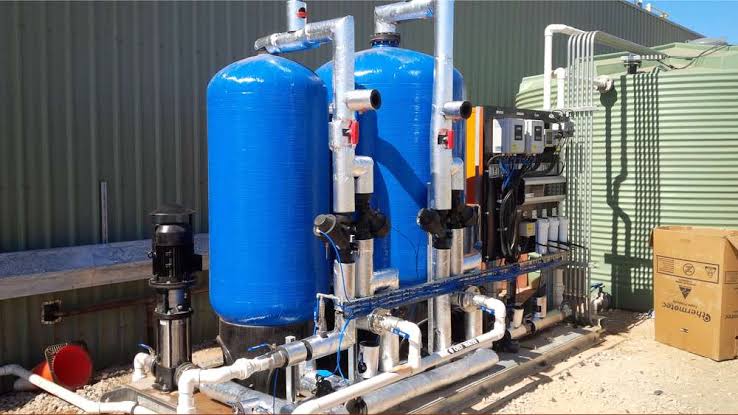
A drinking-water system focuses on water at specific points of use. Whole-home treatment takes a different approach by treating water as it enters the property or at another centralized location.
This can make sense when the issue affects showers, laundry, plumbing fixtures, and appliances—not just drinking water.
For example, if mineral deposits are appearing throughout the home, treating only the kitchen faucet won’t solve what’s happening in the shower or washing machine.
The right setup depends on how widespread the water issue is.
Don’t Forget the Air Inside Your Home
Water quality isn’t the only part of the indoor environment that can affect comfort. Most people spend a lot of time inside their homes, so air quality deserves some attention too.
Dust, airborne particles, odors, and other indoor pollutants can accumulate depending on ventilation, cleaning habits, pets, building materials, and outdoor conditions.
That’s where air purification can complement a broader approach to creating a more comfortable home environment. Different air-purification technologies target different types of airborne particles or pollutants, so it’s important to understand what a particular system is designed to do.
Again, more technology doesn’t necessarily mean better results. The goal is to match the system to the actual indoor conditions.
Maintenance Makes a Bigger Difference Than People Think
Buying a treatment system is only part of the process. Maintenance matters.
Filters eventually need to be replaced. Softening equipment may require service, and air-purification components can also have recommended replacement schedules.
It’s easy to forget these tasks because everything usually works quietly in the background. There isn’t a dashboard flashing a warning every time a filter reaches the end of its useful life.
A simple calendar reminder can help.
If a manufacturer recommends a particular maintenance interval, follow it. Neglecting routine service can reduce performance and may create avoidable expenses later.
Think About the Long-Term Cost
The cheapest system isn’t always the least expensive option over time.
When comparing treatment equipment, consider more than the initial purchase price. Look at installation, replacement filters, maintenance, water usage, energy requirements, and expected service life.
A system that costs slightly more upfront but is easier to maintain may make better financial sense in the long run.
At the same time, there’s no reason to pay for features your household doesn’t need.
Practical beats flashy.
Professional Guidance Can Remove the Guesswork
Water treatment can get technical quickly. Terms like membranes, flow rates, regeneration, filtration media, micron ratings, and contaminant reduction can make the process feel more complicated than it needs to be.
A qualified professional can help interpret test results and explain which options make sense for your property.
That doesn’t mean you should blindly accept the first recommendation. Ask questions. Understand what the equipment is designed to address. Find out what maintenance will be required and what the ongoing costs look like.
An informed homeowner is in a much better position to make a good decision.
Build a Solution Around Your Home
There isn’t one perfect combination of water and air equipment for every household. A family with hard municipal water may have very different priorities from someone relying on a private well. A homeowner mainly concerned with drinking water may not need the same setup as someone dealing with whole-home scale.
Start with the actual problem. Test when appropriate. Consider how your family uses water, and don’t overlook maintenance.
The best system is rarely the one with the longest feature list. It’s the one that quietly does its job without creating unnecessary complications.
At the end of the day, that’s really what better home water treatment should feel like. You shouldn’t have to think about it every morning. You should simply turn on the tap, fill a glass, take a shower, or start the dishwasher and trust that your home’s water is being handled in a sensible way.