There’s something particularly annoying about cleaning a bathroom only to find white mineral deposits appearing again a few days later. And those cloudy drinking glasses? No matter how thoroughly you rinse them, they never seem to look completely clean.
If these frustrations sound familiar, hard water could be part of the problem.
Many homeowners live with excessive water hardness without realizing how much it influences their daily routines. From laundry and personal care to kitchen cleaning and appliance maintenance, dissolved minerals can make ordinary tasks more demanding.
Installing a suitable water softener can help address these concerns. However, choosing the right equipment involves more than comparing prices or selecting the largest available system. Understanding your household’s needs is where the process really begins.
Why Hard Water Deserves Your Attention
Hard water contains dissolved calcium and magnesium, naturally occurring minerals that accumulate as water travels through soil and rock.
Although hardness isn’t generally considered a health hazard, it can create plenty of practical inconveniences around the home.
Mineral deposits may accumulate inside water heaters, showerheads, and faucets. Soap can become less effective, while freshly washed towels might feel rougher than expected.
Over time, these seemingly minor issues can become frustrating.
You might notice yourself using additional detergent, purchasing specialized cleaning products, or spending more time removing stubborn deposits from bathroom surfaces.
Conventional water softening addresses the mineral content responsible for many of these problems rather than simply helping you clean up afterward.
For busy households, that distinction matters.
Getting Your Water Softener Installed Properly
Purchasing a water softener is only one part of the process. Where and how the equipment is installed can influence its performance, accessibility, and long-term reliability.
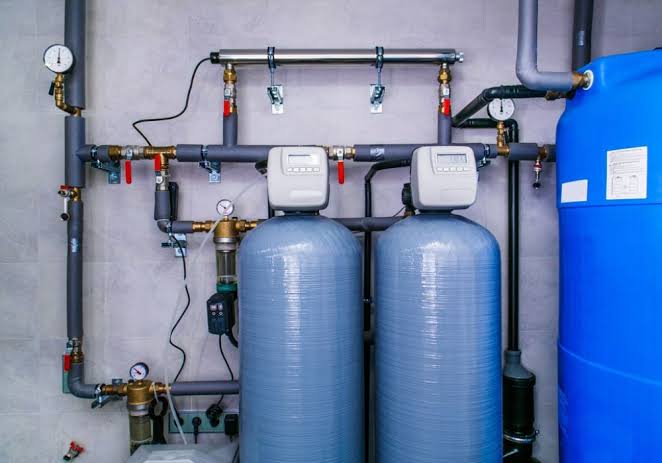
Professional water softener system installation generally involves evaluating the incoming water supply, identifying a suitable equipment location, and connecting the system appropriately to household plumbing.
Most whole-house softeners are positioned near the main water supply line, allowing softened water to reach connected household fixtures and appliances.
Before installation, several details deserve attention:
- Existing water hardness levels and household consumption.
- Incoming water pressure and peak flow requirements.
- Available space for treatment equipment.
- Appropriate drainage and plumbing connections.
- Accessibility for salt replenishment and maintenance.
A qualified installer should also explain how the equipment operates and demonstrate any bypass controls.
That last detail is particularly useful if maintenance becomes necessary.
Getting the installation right from the beginning can help prevent avoidable performance problems and make future servicing considerably easier.
What to Look for When Comparing Water Softener Brands
Shopping for a water softener can feel overwhelming, especially when manufacturers advertise different technologies, efficiency features, and equipment capacities.
Homeowners considering Kinetico water softeners should evaluate available models according to their measured water hardness, household consumption, regeneration requirements, and long-term maintenance preferences.
Brand recognition is certainly worth considering, but it shouldn’t be the only factor influencing your decision.
A compact household with two occupants might have very different requirements from a family with several bathrooms and a frequently running washing machine.
Ask about salt consumption, regeneration efficiency, warranty coverage, replacement components, and local servicing availability.
It’s also sensible to discuss whether continuous softened water availability is important for your household.
Rather than choosing equipment solely because it has impressive features, focus on whether those features will provide practical benefits in your home.
After all, you’re purchasing something you’ll probably depend on for years.
Choose a Softening Solution That Fits Your Everyday Life
Every family approaches household maintenance differently. Some homeowners prefer equipment that requires minimal attention, while others prioritize operating efficiency and long-term affordability.
Exploring suitable home water softening solutions allows you to compare treatment approaches based on your actual requirements rather than following a one-size-fits-all recommendation.
Conventional ion-exchange softeners reduce calcium and magnesium concentrations by exchanging hardness minerals for sodium or potassium ions.
Certain salt-free conditioning technologies work differently. They may help manage scale formation without actually removing hardness minerals from the water.
Understanding this distinction can prevent disappointment later.
If your main concern is improving soap effectiveness and reducing hardness-related deposits, conventional softening may be appropriate.
If drinking water taste or specific contaminants are also concerns, additional filtration might deserve consideration.
Not every household needs multiple treatment systems. Reliable testing can help you determine which improvements are genuinely worthwhile.
Can Softened Water Help Protect Household Appliances?
Water heaters, dishwashers, and washing machines aren’t inexpensive purchases. Naturally, homeowners want to keep them working properly for as long as possible.
Excessive hardness can encourage scale formation inside water-heating equipment, potentially interfering with heat transfer and performance.
Appropriate softening may help reduce future mineral accumulation and limit certain avoidable maintenance problems.
However, it won’t prevent normal mechanical wear or automatically remove existing scale deposits. Regular appliance servicing remains important.
Think of water softening as one part of a broader approach to caring for your home rather than a complete solution to every maintenance concern.
Keep Your Water Softener Working at Its Best
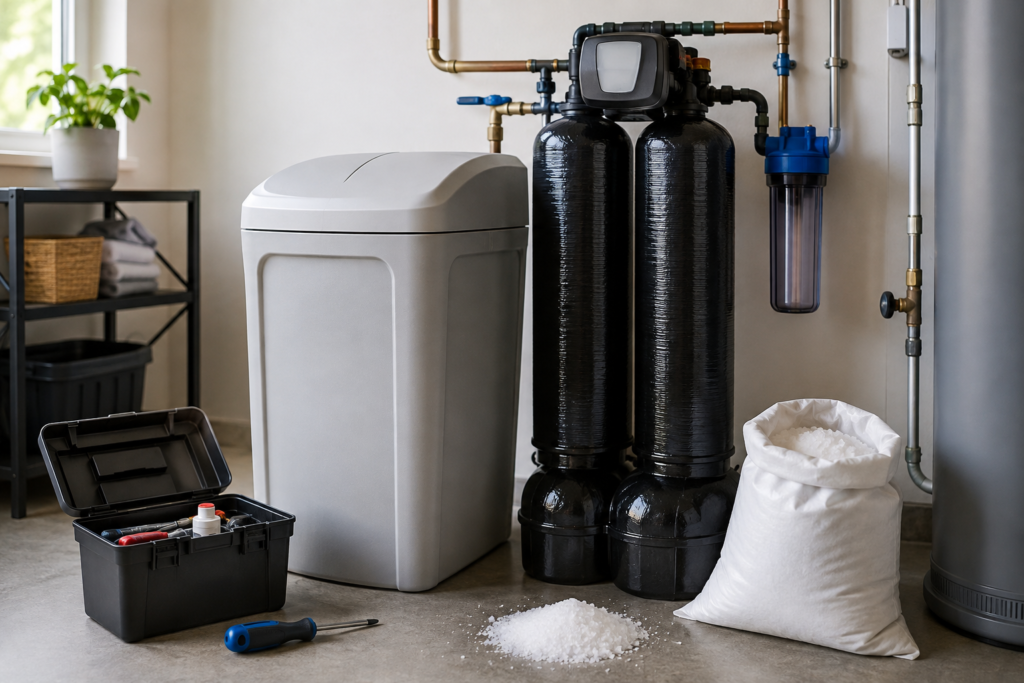
Once your equipment is installed, establish a straightforward maintenance routine. Check salt levels where applicable, follow manufacturer servicing recommendations, and arrange periodic hardness testing.
Returning mineral deposits or declining system performance may indicate that something needs attention.
Remember, softening alone does not address every drinking water contaminant. Additional testing and treatment may be necessary.
Better water doesn’t have to involve complicated equipment or constant maintenance. Start with reliable information, choose a properly sized system, and work with qualified professionals.
Spending less time scrubbing faucets, enjoying more manageable laundry routines, and worrying less about mineral buildup might seem like modest improvements. But over the years, those everyday conveniences can make a water softener one of your home’s more appreciated investments.