Most conversations about water quality begin with drinking water. But what about the water you shower in, wash your clothes with, or use to clean your favorite cookware? Water touches nearly everything in your home, yet its quality often receives surprisingly little attention.
Perhaps you’ve noticed an unpleasant chlorine smell during showers or small particles collecting in faucet aerators. These experiences can leave you wondering whether treating water at just one faucet is enough.
Installing a whole house water filter can be a practical way to address specific water quality concerns throughout your property rather than relying on separate filters in different rooms.
Before making that investment, though, it’s worth understanding how these systems work and whether comprehensive filtration genuinely suits your household.
What Happens When Water Enters Your Home?
Water can contain naturally occurring minerals, suspended particles, treatment disinfectants, and other substances. Its composition depends on where it comes from and what it encounters before reaching your property.
Municipal water undergoes treatment before distribution, but household plumbing can still influence certain characteristics of the water reaching individual faucets.
Private well water presents different challenges and may require additional testing and treatment.
For homeowners hoping to enjoy clean water from every tap, identifying the specific substances that need attention is an essential first step.
Water that looks perfectly clear isn’t necessarily free from unwanted contaminants. Similarly, an unfamiliar taste doesn’t automatically indicate that something dangerous is present.
Appropriate water testing helps separate genuine concerns from assumptions, providing a reliable foundation for choosing treatment equipment.
Understanding How Whole-Home Filtration Works
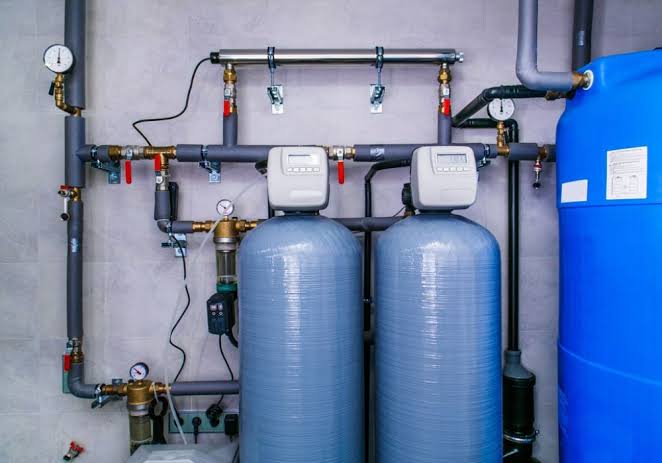
Unlike countertop pitchers or individual faucet filters, point-of-entry equipment treats incoming water before it travels through the property’s plumbing network.
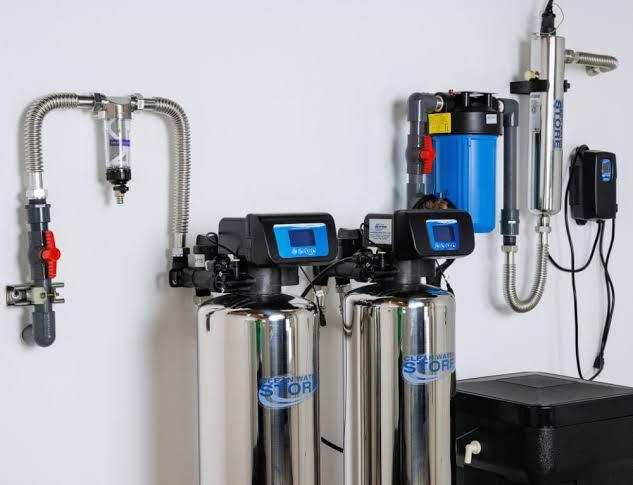
Depending on the design, modern whole-house water filtration systems may incorporate sediment filters, activated carbon media, or specialized treatment components selected to address particular water quality concerns.
Sediment filtration helps capture suspended particles such as sand and rust. Activated carbon can reduce certain unpleasant tastes, odors, and contaminants.
Some households require additional technologies to address dissolved minerals, microorganisms, or other specific substances.
The advantage of centralized treatment is convenience. Instead of managing several smaller filters, homeowners can maintain a system that serves multiple areas of the property.
However, no single filtration technology handles every possible contaminant. Equipment selection should reflect actual testing results and independently verified treatment performance.
Filtration and Softening Aren’t the Same Thing
This distinction catches quite a few homeowners by surprise.
Someone struggling with chalky deposits around bathroom faucets might purchase a carbon filtration system, expecting those deposits to disappear. Unfortunately, ordinary carbon filters don’t generally remove calcium and magnesium, the minerals primarily responsible for hardness.
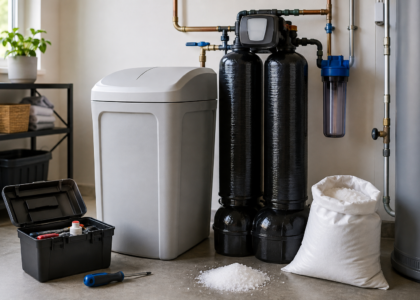
Water softeners perform a different job through ion exchange, reducing hardness minerals and helping limit future scale formation.
Filtration, meanwhile, focuses on reducing particular particles or contaminants according to the equipment’s capabilities.
Some homes benefit from combining both technologies. Others need only one.
Before spending money on additional equipment, consider what’s causing your everyday water-related frustrations. Understanding the difference between filtration and softening could save you from an expensive and disappointing purchase.
The Everyday Benefits of Treating Water Throughout Your Home
Suitable filtration can make a difference in ways that aren’t always immediately obvious.
Reducing suspended particles may help prevent debris from collecting in certain plumbing components. Appropriate carbon treatment may improve unpleasant chlorine-related tastes and odors.
For households with specific water quality concerns, having treatment available throughout the property can also be more convenient than relying exclusively on a kitchen filter.
Imagine washing vegetables, filling a cooking pot, or taking an evening shower without encountering the same objectionable water odor.
It’s these ordinary experiences that often make treatment worthwhile.
Results naturally depend on incoming water conditions, equipment selection, and maintenance. A properly chosen system should address identifiable concerns rather than promise improvements it cannot realistically deliver.
Choosing Equipment That Can Handle Your Household’s Demand
Whole-home treatment equipment needs to accommodate water consumption across multiple fixtures.
Think about a busy morning when someone is showering upstairs, the washing machine is running, and another family member is using the kitchen sink.
An inadequately sized filtration system could restrict water flow or create noticeable pressure problems during periods of heavy consumption.
When comparing equipment, consider peak flow requirements, filter capacity, available installation space, and incoming water pressure.
Ask your installer about bypass valves, too. These can make certain maintenance procedures more convenient.
Getting the practical details right matters considerably more than purchasing a system with an impressive list of features.
Keeping Your Filtration System Effective Over Time
A new filtration system might perform beautifully during its first few months, but ongoing maintenance determines how reliably it continues working.
Filter cartridges eventually collect debris, and treatment media have limited service lives.
Follow manufacturer recommendations for replacement and servicing. Pay attention to unexpected pressure changes or declining treatment performance.
Before buying equipment, ask about replacement component costs and availability.
Periodic water testing is particularly important when treatment is intended to address potentially harmful contaminants. Ordinary filtration should never be assumed to make unsafe source water drinkable.
A manageable maintenance routine helps protect both your investment and treatment effectiveness.
Making Better Water Part of Everyday Home Comfort
Improving water quality throughout your home doesn’t necessarily mean installing the most elaborate equipment available.
Start with appropriate testing, identify the concerns that genuinely affect your household, and choose treatment designed to address them.
Consider long-term ownership costs and maintenance responsibilities along the way.
Water plays a quiet but essential role in everyday life. Giving its quality some thoughtful attention can make ordinary routines more enjoyable, from preparing breakfast to relaxing in the shower after a busy day.
Sometimes, the best household improvements are the ones you experience without even thinking about them.