

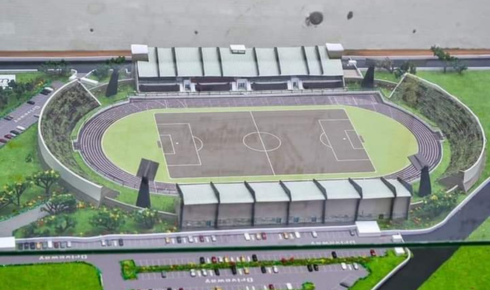

In the ever-shifting theatre of modern sport, surfaces and structures now converse in tandem. Synthetic acrylic flooring, once perceived as a mere technical upgrade, has evolved into a silent architect of performance. Simultaneously, iconic venues like Afraha Stadium are rewriting their spatial identity—particularly through ambitious expansions in capacity and infrastructure.
Beneath the Athlete: A Calculated Surface
Synthetic acrylic flooring is not a casual installation—it is an engineered continuum. Built through stratified coatings, it orchestrates grip, rebound, and shock absorption with almost surgical precision. Athletes, often unaware of its complexity, rely on its consistency to execute split-second maneuvers.
Unlike conventional courts that deteriorate under environmental strain, acrylic systems retain composure. Whether scorched by equatorial sun or drenched in seasonal rains, the surface resists deformation. This climatic resilience is precisely why emerging and evolving stadiums increasingly adopt it as a foundational standard.
Afraha Stadium Nakuru Capacity: A Story of Expansion
The narrative surrounding Afraha Stadium is no longer confined to its historical footprint. Originally accommodating approximately 8,200 spectators, the venue has long served as a central hub for football and civic gatherings.
However, contemporary ambitions are reshaping its scale. Ongoing modernization efforts aim to elevate its seating capacity to between 13,000 and 15,000 in intermediate phases, with a long-term aspiration of reaching nearly 20,000 spectators.
This transformation signals more than numerical growth—it reflects a strategic pivot toward international relevance. A larger capacity invites larger events, broader audiences, and heightened economic activity within Nakuru’s urban fabric.
The Symbiosis of Surface and Structure
As stadiums expand vertically and horizontally, the ground beneath must evolve in parallel. Synthetic acrylic flooring becomes indispensable in this equation. Increased footfall demands surfaces that endure relentless usage without compromising performance integrity.
For a venue like Afraha Stadium, future-ready infrastructure is not merely about seating capacity. It is about ensuring that every square meter—from training courts to auxiliary facilities—delivers consistency, safety, and longevity.
Acrylic systems answer this demand through their low maintenance cycles and resistance to abrasion. They transform high-traffic zones into durable, athlete-friendly environments, aligning seamlessly with the stadium’s expansion blueprint.
Visual Modernity and Identity
Capacity expansion often invites architectural reinvention. Synthetic acrylic flooring contributes to this reinvention not only through performance but through visual articulation. Courts can be rendered in striking color palettes, enhancing both player visibility and spectator immersion.
In a stadium aspiring to host international fixtures, aesthetics are not ornamental—they are strategic. A visually compelling surface amplifies broadcast quality, strengthens branding, and elevates the venue’s global perception.
Economic and Cultural Reverberations
The augmentation of Afraha Stadium Nakuru capacity carries implications that ripple beyond sport. Larger crowds translate into increased tourism, hospitality demand, and localized commerce. Vendors, transport networks, and service industries all experience a surge in activity.
Moreover, upgraded infrastructure nurtures local talent. Athletes gain access to professional-grade facilities, while the community benefits from a revitalized sporting culture. The stadium, once a regional landmark, begins to function as a national asset.
Sustainability in Expansion
Modernization is no longer measured solely by scale—it is evaluated through sustainability. Synthetic acrylic flooring aligns with this ethos through eco-conscious formulations and extended lifecycle performance. Its durability reduces the frequency of resurfacing, thereby conserving resources over time.
For a project as ambitious as the redevelopment of Afraha Stadium, such efficiencies are not peripheral—they are integral to long-term viability.
A Glimpse into the Future
The convergence of advanced flooring systems and expanding stadium capacity hints at a future where venues become intelligent ecosystems. Surfaces may soon integrate sensor technologies, offering real-time data on player movement and surface wear.
As Afraha Stadium progresses toward its envisioned capacity, it stands as a testament to this evolution—a space where engineering precision meets architectural ambition.
Closing Thought
Synthetic acrylic flooring and Afraha Stadium Nakuru capacity are threads within the same narrative fabric. One refines t
he ground beneath motion; the other amplifies the space that contains it. Together, they illustrate a compelling truth: the future of sport is not only played—it is meticulously constructed.