


There’s a certain kind of comfort in not thinking about your water. You turn on the tap, and it works. It tastes fine, feels fine, and that’s that. No second thoughts, no effort.
But behind that simplicity, there’s usually more going on than we realize. A softener quietly managing minerals. A filtration system refining what you drink. Components working together, day after day, without asking for much attention.
Until they do.
And the truth is, a little attention here and there can make a big difference—not just in performance, but in how long everything keeps working the way it should.
Why Maintenance Feels Optional (Until It Isn’t)
Most water systems are designed to be low-maintenance. That’s part of their appeal. You install them, and they just… work.
But “low-maintenance” doesn’t mean “no maintenance.”
Over time, minerals build up, filters clog, and efficiency slowly drops. It’s not dramatic. You won’t wake up one morning to a complete failure. Instead, it’s a gradual shift—something feels slightly off, but you can’t quite put your finger on it.
That’s usually the moment people realize they’ve been putting things off a bit too long.
The Role of Your Water Softener
If your home has a water softener, you’ve probably noticed how much easier things feel. Soap lathers better. Dishes come out cleaner. That stubborn scale on your taps? Less of a problem.
But even softeners need attention.
Proper water softener upkeep isn’t complicated, but it’s essential. Keeping the salt levels where they should be, occasionally checking for buildup, and making sure the system regenerates properly—all of this keeps things running smoothly.
Ignore it for too long, and you’ll start to notice the difference. Hard water slowly creeps back in, bringing those familiar annoyances with it.
It’s a quiet system, but it does a lot. Taking care of it just makes sense.
What Happens Inside Your RO System
Now let’s talk about reverse osmosis systems—the ones that handle your drinking water.
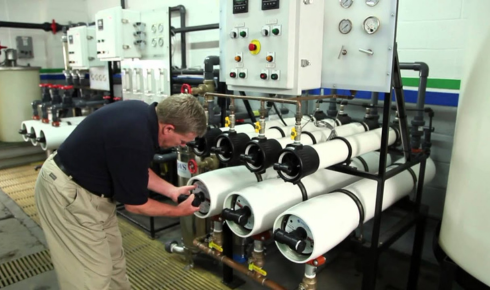
They’re incredibly effective, but they rely on a key component: the membrane. It’s where the real filtration happens, separating impurities from the water you consume.
And like anything that works this hard, it needs care.
Good RO membrane care ensures that your system continues to perform the way it should. Over time, membranes can get clogged or worn out, which affects both water quality and flow.
Replacing them when needed, along with pre-filters, keeps everything balanced. It’s not something you do every week, but it’s something you shouldn’t forget either.
Because once the membrane starts underperforming, you’ll notice—maybe not immediately, but gradually.
The Habit That Makes Everything Easier
Here’s where it all comes together.
You don’t need a complicated schedule or a deep technical understanding to keep your water system in good shape. What you need is consistency.
Simple routine maintenance—checking filters, monitoring performance, replacing parts when necessary—goes a long way. It prevents small issues from turning into bigger ones and keeps your system reliable over time.
Think of it like brushing your teeth. It’s not a big effort, but skipping it regularly? That’s when problems show up.
The Signs You Might Be Overdue
Sometimes, your system gives you hints that it needs attention.
Water that doesn’t taste as clean as it used to. A slight drop in pressure. Maybe even a return of scale or residue you thought you’d dealt with.
These are all signals.
They don’t mean something is broken—but they do mean something needs checking. And the sooner you respond, the easier it is to fix.
Waiting rarely makes things better.
Why Small Efforts Matter More Than Big Fixes
It’s easy to think of maintenance as something you deal with when things go wrong. But in reality, it’s about preventing those moments altogether.
A quick filter change now can save you from a bigger repair later. Keeping your softener in check can extend the life of your appliances. Taking care of your RO system ensures your drinking water stays consistent.
None of these actions are dramatic. But together, they create a system that works better, longer.
And that’s the goal.
Making It Part of Your Routine
The best way to approach maintenance is to make it part of your routine—not a separate task you have to remember.
Set reminders. Keep track of when you last replaced filters. Pay attention to how your water feels and tastes.
You don’t need to overthink it. Just stay aware.
Because once maintenance becomes a habit, it stops feeling like a chore.
The Quiet Reward of a Well-Maintained System
There’s no big moment when everything suddenly feels different.
Instead, there’s consistency.
Your water tastes the same every day. Your system runs without issues. You don’t have to think about it.
And in a way, that’s the best outcome. Not noticing your water system at all—because it’s doing exactly what it’s supposed to do.
A Small Investment in Everyday Comfort
At the end of the day, maintaining your water system isn’t about perfection. It’s about making your daily life a little easier.
It’s about avoiding those small frustrations that add up over time. It’s about keeping things simple, predictable, and reliable.
And maybe that’s the real value—not in the system itself, but in the comfort it quietly provides.
Because when your water is right, everything else just flows a little more smoothly.