


There’s a certain moment every homeowner knows—the one where something just doesn’t feel right. The sink drains slower than usual. The shower water lingers around your feet. Maybe there’s a faint smell that wasn’t there before.
It’s not dramatic. Not urgent. Just… different.
And that’s usually how plumbing problems begin—not with chaos, but with quiet changes that are easy to overlook.
The Hidden World Under Your Feet
We don’t spend much time thinking about sewer lines. They’re buried, out of sight, doing their job without asking for attention. But like anything else in your home, they’re not immune to wear, buildup, or unexpected issues.
Over time, grease, debris, and even natural elements like tree roots can interfere with the flow. And because you can’t see it happening, the problem tends to go unnoticed—until it starts affecting your daily routine.
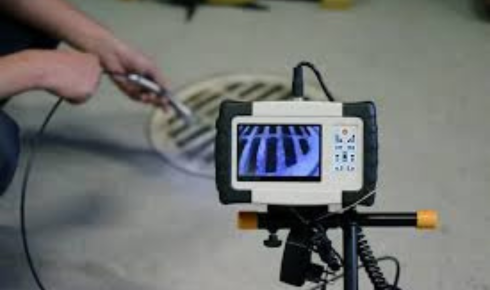
This is where a sewer line camera inspection becomes incredibly useful. Instead of guessing what’s going on, professionals can actually look inside the pipes and see the problem directly. Cracks, blockages, misalignments—it all becomes visible.
It’s a bit like turning on the lights in a room you’ve never seen before. Suddenly, everything makes sense.
Why Drains Slow Down (And Don’t Fix Themselves)
A slow drain might not feel like a big deal at first. You adjust. You wait a few extra seconds. Maybe you even convince yourself it’s normal.
But here’s the thing—drains don’t slow down without a reason.
Something is building up. Something is blocking the flow. And over time, that restriction gets worse.
That’s when drain unclogging becomes more than just a quick fix. It’s about removing what’s been accumulating for weeks or even months. Not just pushing it further down the pipe, but actually clearing it out.
And when it’s done properly, the difference is immediate. Water flows freely again, like it used to.
The Frustration of Recurring Problems
If you’ve ever dealt with the same plumbing issue more than once, you know how frustrating it can be.
You fix it. It works. Then a few weeks later, it’s back.
Recurring problems usually point to something deeper. Maybe the blockage wasn’t fully cleared. Maybe there’s damage in the pipe. Or maybe the system is under more strain than it can handle.
It’s not always obvious, but it’s worth paying attention to patterns. Because when something keeps coming back, it’s trying to tell you something.
Why Guesswork Doesn’t Work for Long
There’s a natural instinct to try and fix things yourself. And for minor issues, that’s completely fine. A plunger, a simple tool, a bit of effort—it can solve small problems.
But plumbing systems are more complex than they appear.
What looks like a surface-level issue might actually be connected to something deeper. And without the right tools or perspective, it’s easy to miss that connection.
That’s why having a reliable plumbing team makes a difference. Not just for emergencies, but for understanding what’s really going on. They bring experience, tools, and a level of insight that goes beyond trial and error.
And sometimes, that’s exactly what you need.
The Role of Prevention (Even If It Feels Boring)
Let’s be honest—preventing plumbing issues isn’t exciting. It doesn’t feel urgent, and it’s easy to forget about.
But it works.
Being mindful of what goes down your drains, scheduling occasional inspections, and addressing small issues early can prevent bigger problems later. It’s not about doing a lot—it’s about doing just enough, consistently.
Think of it as maintenance for something you rely on every day, even if you don’t notice it.
When to Take Things Seriously
Not every plumbing issue needs immediate action. But some signs are worth paying closer attention to.
Multiple drains slowing down at the same time. Water backing up in unexpected places. Persistent odors that don’t go away. These are indicators that the problem might be deeper than it seems.
And when you notice these patterns, it’s better to act sooner rather than later.
Because waiting usually doesn’t make things easier.
A Different Way to Look at Plumbing
It’s easy to think of plumbing as a set of isolated parts—pipes, drains, fixtures. But in reality, it’s a system. Everything is connected.
When one part struggles, it can affect the rest. And understanding that connection changes how you approach problems.
It’s not just about fixing what’s visible—it’s about understanding the bigger picture.
Final Thoughts: Listening Before It Gets Worse
Plumbing issues rarely start as emergencies. They begin quietly, with small changes that are easy to overlook.
A slow drain. A strange sound. A subtle shift in how things work.
And while it’s tempting to ignore these signs, paying attention early makes a difference. It keeps small problems from becoming larger ones and helps maintain the comfort of your home.
Because in the end, plumbing isn’t something you want to think about every day.
It’s something you want to trust.