


The Little Moment That Makes You Notice
Most people don’t think about water very much. It’s just there — running from the tap, filling bottles, making tea, quietly doing its job without asking for attention. But every now and then, something shifts.
You visit a friend’s house and notice their water tastes noticeably smoother. Or you travel somewhere and suddenly realize your morning coffee tastes richer than usual. It’s a small thing, easy to overlook, yet once you notice it, you can’t quite ignore it.
That’s usually where curiosity begins.
Why does water sometimes feel fresh and clean, while other times it tastes flat or slightly chemical? The answer often lies in how water is treated and filtered before it reaches your glass.
What Actually Affects the Taste of Water
Water may appear simple, but it’s rarely just pure H₂O. Along its journey to your home, it picks up minerals, organic compounds, and treatment chemicals that keep it safe for distribution.
Chlorine, for example, plays a critical role in preventing bacterial growth. Yet it can leave behind a noticeable odor or flavor. Dissolved minerals may contribute to a metallic or chalky taste.
Even when these elements exist within safe limits, they can still influence your drinking experience.
This is why modern filtration systems often focus heavily on taste improvement, aiming not just to remove harmful substances but to create water that feels pleasant and refreshing.
For many homeowners, this becomes the most immediate and noticeable benefit of installing a filtration system.
How Modern Filtration Goes Beyond Basic Cleaning
Traditional filters typically remove visible particles such as sediment or rust. While this helps improve clarity, it doesn’t address dissolved substances that affect taste and overall quality.
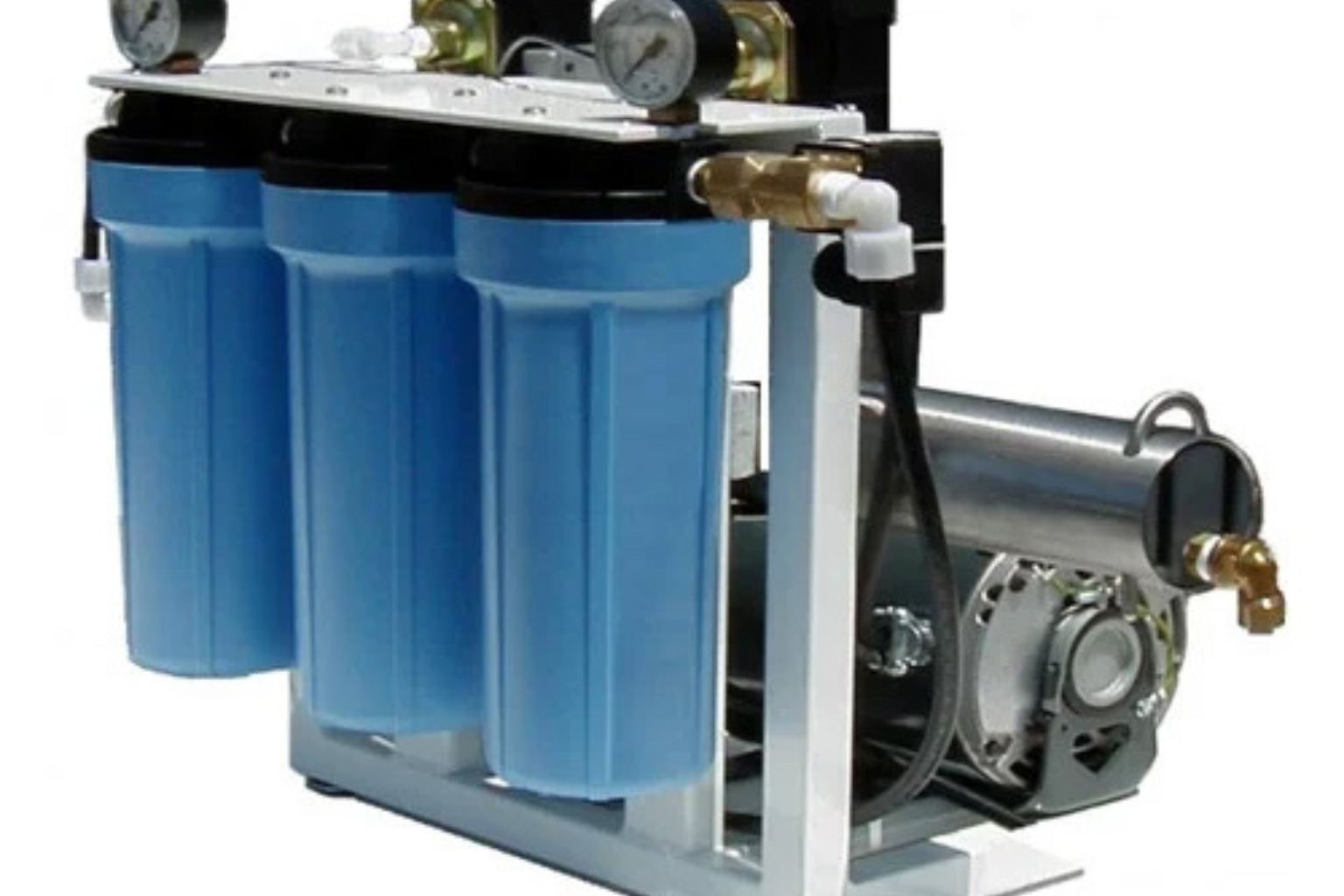
Advanced filtration systems, especially those using membrane technology, work at a much finer level. They target microscopic impurities that ordinary filters cannot capture.
These systems operate through a pressure driven process, where water is forced through extremely fine membranes that allow only purified water molecules to pass.
This method is highly effective because it separates impurities based on molecular size rather than simply trapping visible particles.
The result is water that not only looks clear but also feels lighter and cleaner when consumed.
The Role of Pollutant Removal in Water Quality
One of the key advantages of advanced filtration technologies is their ability to achieve high levels of pollutant rejection.
This means they can significantly reduce substances such as dissolved salts, heavy metals, and certain chemical compounds that might remain after municipal treatment.
By removing these microscopic contaminants, filtration systems enhance both safety and taste.
For many households, this added layer of protection provides reassurance — knowing that water has been treated beyond standard requirements.
It’s not about replacing municipal systems, but rather refining water further to meet personal preferences and comfort levels.
Why Water Quality Impacts Everyday Living
The influence of water quality extends far beyond drinking.
Filtered water often improves cooking outcomes because it allows natural flavors to stand out. Coffee, tea, and even soups tend to taste more balanced when prepared with cleaner water.
Appliances such as kettles and dishwashers also benefit. Reduced mineral content means less scale buildup, which helps maintain efficiency and extend lifespan.
Many people also notice softer laundry and gentler showers after installing comprehensive filtration systems.
These subtle changes collectively improve daily comfort in ways that often go unnoticed until experienced.
Choosing the Right Filtration Approach
Selecting an appropriate filtration system depends on understanding your local water conditions.
Water testing is usually the first step. It helps identify specific concerns such as high mineral content, chlorine presence, or dissolved contaminants.
From there, homeowners can evaluate system capacity, installation requirements, and maintenance considerations.
Professional consultation can also ensure compatibility with existing plumbing infrastructure.
Making informed decisions helps maximize both effectiveness and long-term value.
Maintenance: The Key to Consistent Performance
Even advanced filtration systems require regular upkeep to remain effective.
Filters must be replaced periodically, and system components should be inspected to ensure optimal functioning.
Neglecting maintenance can reduce filtration efficiency and allow impurities to return over time.
Fortunately, many modern systems include automated indicators that simplify maintenance scheduling.
With proper care, filtration systems can provide consistent water quality for years.
The Future of Water Filtration Technology
Water treatment technology continues to evolve rapidly.
New filtration materials are becoming more efficient and environmentally friendly. Smart monitoring systems now allow homeowners to track water quality and receive maintenance alerts through mobile applications.
There’s also growing emphasis on sustainability, with systems designed to minimize water waste and energy consumption.
These advancements promise to make high-quality drinking water more accessible and convenient in the years ahead.
A Quiet Upgrade That Changes Daily Habits
Water is one of the most essential elements of daily life, yet its quality often goes unnoticed until something feels slightly off.
From improving taste and comfort to protecting appliances and supporting healthier hydration habits, modern filtration systems offer practical benefits that extend far beyond basic purification.
In the end, investing in better water isn’t just about technology. It’s about confidence — the quiet assurance that every glass you drink is clean, refreshing, and truly enjoyable.