


There’s a point where you stop blaming your detergent, your shampoo, or even your appliances… and start wondering if it’s the water itself.
It doesn’t happen all at once. It builds slowly. Your kettle gathers that chalky layer again. Your soap refuses to lather the way it used to. Your clothes feel a little stiff even after a “good” wash.
At first, you ignore it. Everyone deals with this, right?
But the more it shows up, the harder it is to brush aside. And that’s usually when people start digging into something they never thought much about before — water quality.
The Science You Don’t See, But Definitely Feel
Hard water isn’t dangerous. That’s important to say upfront. But it’s persistent.
It carries dissolved minerals, mainly calcium and magnesium, which sound harmless (and they are, in many ways). The problem is how they behave when water is heated, or when they interact with soap.
Instead of dissolving cleanly, soap binds with these minerals, forming residue. That’s the film you notice on your skin, your bathroom tiles, even your dishes.
And over time, this isn’t just about feel — it affects efficiency, cleanliness, and even the lifespan of your appliances.
A Closer Look at What Softening Really Means
When people talk about softening water, it can sound a bit vague. What does it actually involve?
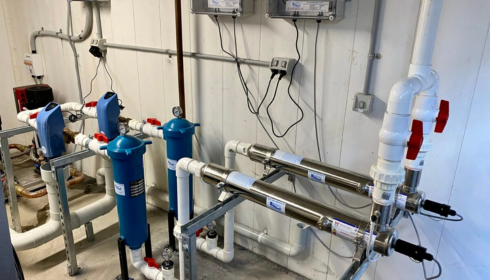
One of the most common methods is ion exchange water softening. Without getting overly technical, it works by swapping out hard minerals in the water with softer ones, typically sodium or potassium.
It’s a quiet process. You don’t see it happening. But the results show up everywhere — in how water behaves, how it feels, and how it interacts with everything it touches.
It’s not about changing water completely. It’s about adjusting it just enough to make it more compatible with your daily life.
Why Calcium and Magnesium Make Such a Difference
It’s interesting how two minerals can have such a noticeable impact.
The goal isn’t to eliminate them entirely — they’re naturally occurring and not inherently harmful. But when levels are high, they start to interfere with everyday processes.
That’s why many systems are designed to remove calcium and magnesium specifically. These are the main contributors to hardness, and addressing them directly tends to create the most noticeable improvements.
Once they’re reduced, water feels smoother. Soap works better. Cleaning becomes easier.
It’s not dramatic, but it’s consistent. And consistency matters.
The Ripple Effect Across Your Home
What’s surprising is how many areas of your home are affected by water quality.
Your laundry, for example. Clothes washed in hard water can feel rough, even if they look clean. Colors fade faster. Whites lose their brightness.
Then there’s your skin and hair. Dryness, dullness — things you might attribute to weather or products can often be linked back to the water you’re using.
Even your appliances feel the impact. Mineral buildup inside machines can reduce efficiency and lead to more frequent maintenance.
That’s where a broader mineral removal system starts to make sense. Instead of addressing one issue at a time, it tackles the underlying cause.
And once that cause is managed, multiple problems begin to ease at once.
The Difference You Start to Notice
At first, the changes might feel subtle.
You use less detergent. Your dishes come out cleaner. Your shower feels a bit more refreshing.
But over time, those small improvements become more noticeable.
Your clothes last longer. Your appliances run more efficiently. You spend less time scrubbing away residue.
And perhaps most importantly, you stop thinking about your water as a problem.
Why We Often Overlook the Obvious
Part of the reason water issues go unnoticed is that they don’t feel urgent.
There’s no sudden failure. No clear moment where something breaks.
Instead, it’s a slow accumulation of minor inconveniences — things you adapt to without realizing it.
You use more soap. You clean more often. You accept that some things just don’t feel quite right.
But once you address the water itself, you realize how much of that effort was unnecessary.
Keeping It Simple
It’s easy to get overwhelmed when you start looking into water treatment. There are different systems, technologies, and opinions out there.
But at its core, the process is straightforward.
Identify the issue. Choose a solution that addresses it. Let it do its job.
You don’t need to overcomplicate it. You just need something that works for your home.
A Quiet Improvement That Stays With You
One of the most interesting things about improving water quality is how quickly it becomes your new normal.
At first, you notice the difference. The feel, the ease, the consistency.
But after a while, you stop thinking about it.
And then, when you encounter untreated water again — maybe while traveling — you notice the contrast immediately.
That’s when it really sinks in.
Bringing Water Back to What It Should Be
At the end of the day, water should be simple.
It should support your routine, not complicate it. It should feel natural, not something you have to adjust to.
Improving your water isn’t about chasing perfection. It’s about removing the small, persistent issues that quietly affect your day.
Because when your water feels right, everything else starts to fall into place.
And sometimes, that’s all it takes.