

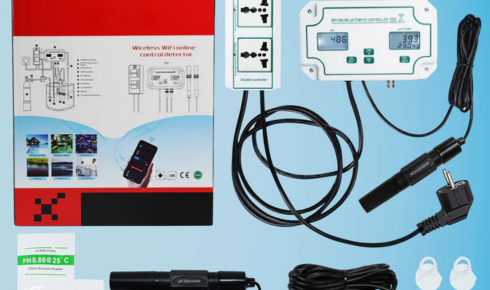

Water has always been one of those things we rarely think about—until something goes wrong. A leaking valve, a forgotten sprinkler system running overnight, or a pump that stops working when no one is around. Suddenly, water becomes a problem instead of a convenience. But technology has quietly started solving these everyday frustrations. In recent years, connected devices and intelligent monitoring systems have begun transforming the way people manage water at home, on farms, and even in industrial spaces.
At the heart of this shift is a simple idea: control and awareness, right from your phone.
A Small Device That Changes the Way You Think About Water
Imagine being able to check your water system while sitting at a café, travelling for work, or relaxing on your couch. Not through complicated equipment or technical dashboards—just through an app on your phone. That’s where the modern connect app concept comes in.
These applications allow users to link their pumps, tanks, irrigation systems, and sensors directly to their mobile devices. Once connected, the system becomes surprisingly easy to manage. Instead of physically walking to a control panel or pump room, you simply open the app and see what’s happening.
Water levels, pump activity, system alerts—everything is right there.
For homeowners, it means fewer surprises. For farmers, it means better crop irrigation. And for facility managers, it means smarter resource management without constant manual checks.
Why Monitoring Matters More Than We Realize
Many people assume water systems just work on their own. Turn the switch on, and everything runs smoothly, right? Unfortunately, reality tends to be messier.
Pumps fail. Pipes clog. Tanks overflow. Sometimes systems run longer than they should, wasting water and electricity. Other times they stop working altogether when they’re needed the most.
This is exactly why real time monitoring has become such a valuable feature in modern water systems. Instead of discovering problems hours—or even days—later, users can see what’s happening instantly.
For example:
- A farmer can check if irrigation pumps are running properly.
- A building manager can confirm that water pressure remains stable.
- A homeowner can receive alerts if a pump switches off unexpectedly.
It’s a bit like having a silent assistant constantly watching over the system. Quiet, dependable, and always reporting back.
And honestly, once people get used to this level of visibility, going back to the old “check it manually” routine feels almost primitive.
Control From Anywhere (Yes, Even Miles Away)
One of the most interesting shifts in technology is how location is becoming less relevant. Years ago, controlling equipment meant physically standing next to it. Today, distance doesn’t really matter anymore.
With modern systems offering remote water control, users can operate pumps, valves, or irrigation lines from anywhere with internet access.
Think about how useful that can be.
A farmer traveling to a nearby town can start irrigation without driving back to the field. A homeowner on vacation can turn off a pump if a leak alert appears. Even facility managers handling multiple buildings can control water systems without moving between locations.
It sounds simple—and in many ways it is—but the time and energy saved can be enormous.
There’s also a sense of reassurance that comes with it. Knowing that you’re never truly disconnected from your system gives a quiet kind of peace of mind.
Practical Benefits People Don’t Expect
Most people initially adopt connected water systems for convenience. But over time, they often discover benefits they hadn’t even considered.
Reduced Water Waste
Water conservation has become a growing concern across many regions. When pumps run unnecessarily or irrigation systems stay on too long, the waste can add up quickly. Monitoring and automated controls help prevent that.
Lower Energy Consumption
Water pumps are not exactly light on electricity. By running them only when needed—and shutting them down quickly when problems occur—users often see noticeable energy savings.
Early Problem Detection
Leaks, motor failures, or tank overflows usually start as small issues. When systems provide alerts immediately, those small problems can be fixed before they become expensive repairs.
Time Savings
Perhaps the most underrated benefit is time. Fewer physical inspections, fewer emergency visits to pump rooms, and fewer routine checks. Life simply becomes easier.
A Technology That Feels Surprisingly Human
Ironically, the more automated these systems become, the more human they feel.
Not in the sense of personality, of course—but in responsiveness. A good connected system reacts quickly, communicates clearly, and helps users make decisions without confusion.
There’s no need for complicated technical knowledge. Most apps are designed with simple dashboards, clear icons, and easy controls. Even someone who isn’t particularly tech-savvy can learn to use them within minutes.
That simplicity is what makes the technology so powerful. It quietly blends into everyday life.
You check it when you need it, ignore it when everything’s working fine, and rely on it when something goes wrong.
The Future of Smarter Water Management
Looking ahead, the role of connected water technology will only continue to grow. As cities expand and climate challenges increase, managing water efficiently will become more important than ever.
We’ll likely see smarter sensors, predictive analytics, and systems that automatically adjust water usage based on weather patterns or usage trends. The technology is evolving quickly.
Yet the goal remains surprisingly straightforward: make water management simpler, smarter, and more reliable.
For homeowners, farmers, and businesses alike, that shift can make a meaningful difference.
Because when you think about it, water isn’t just another utility—it’s a foundation of everyday life. And having the ability to monitor and control it, anytime and anywhere, might be one of those quiet technological upgrades that ends up mattering far more than we expected.