

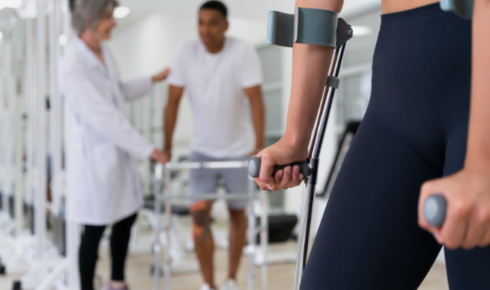

Recovery takes time. It also takes support. Rehabilitation equipment provides patients with extra support when their body feels weak. Simple tools or advanced machines, each has a role. They guide safe movement. They build strength step by step. Most importantly, they bring hope back to healing.
Understanding the Purpose
Rehabilitating machines are not the only thing in rehabilitation equipment. It is about recovery. This literature aims to enable patients to regain strength and mobility. Once surgery, injury, or illness has passed, the body requires tender support. The support is offered through equipment.
Resistance bands, as well as advanced therapy machines, all know how to accomplish a goal. It follows a step-by-step process to heal the body. Under the direction of therapists, patients are equipped to operate equipment safely and effectively. This effectively reduces the stress levels involved in recuperating and makes it effective.
Different Types of Equipment
Hospital equipment is also the same in respect of rehabilitation. The development of strength is one of the outcomes of the tool. The others improve balance and flexibility. The everyday items of physical therapy equipment are the two classes of physical exercise bikes, treadmills, and weight machines. Patients at home can use therapy balls, stretch bands, and a foam roller.
Individuals with mobility problems and issues often require walking aids and support braces. Every single piece of equipment is selected according to the patient’s needs. This is because, with an understanding of the nature of the tools, patients comprehend the kind of experience they will undergo during treatment.
Safety Comes First
Recovery is delicate. Using rehabilitation equipment the wrong way can slow progress or even cause harm. That is why therapists always give clear instructions. Patients should never rush exercises. The goal is steady progress, not speed. Safety belts, support handles, and adjustable settings are built into many machines. These features prevent strain and reduce risks. Patients must also listen to their bodies. Pain that feels sharp or unusual is a sign to stop. The safe use of equipment ensures that recovery stays on track.
The Role of Professional Guidance
Rehabilitation equipment works best with expert supervision. A therapist knows how much weight to add, how many repetitions to suggest, and when to increase difficulty. Patients often feel eager to recover quickly. But pushing too hard can backfire. With professional guidance, exercises stay balanced and effective. Therapists also adjust routines as patients improve. This personalized approach makes rehabilitation smoother. It gives patients confidence that they are making progress in the right direction.
Building Confidence and Independence
Recovery does not only come in physical. It is also emotional. A lot of patients will be doubtful of their capacities following an accident or an operation. Confidence can be restored with the aid of rehabilitation equipment. The progress is observed with each exercise completed.
Taking some extra steps, alleviating some extra weight, or walking further than usual brings hope. Such little victories result in autonomy. The patients begin to believe in their bodies. They recognize that it is possible to heal. Machinery ceases to be labor-equipment. It is then a companion in regaining freedom and power.