Blog

  • Stress Management Techniques for a Healthier Life

    Stress Management Techniques for a Healthier Life

    Introduction
    Stress is a natural part of life, but when it becomes chronic, it can have negative effects on our physical, mental, and emotional health. In this blog post, we will explore the importance of stress management and provide techniques for managing stress to improve overall health and well-being.

    The Effects of Chronic Stress
    Chronic stress can have a significant impact on our health, including:

    Physical health: Chronic stress can lead to high blood pressure, heart disease, and other health problems.
    Mental health: Chronic stress can increase the risk of anxiety, depression, and other mental health disorders.
    Sleep: Stress can interfere with sleep, making it difficult to get enough restful sleep.
    Digestion: Chronic stress can lead to digestive issues such as irritable bowel syndrome (IBS) and acid reflux.
    Stress Management Techniques
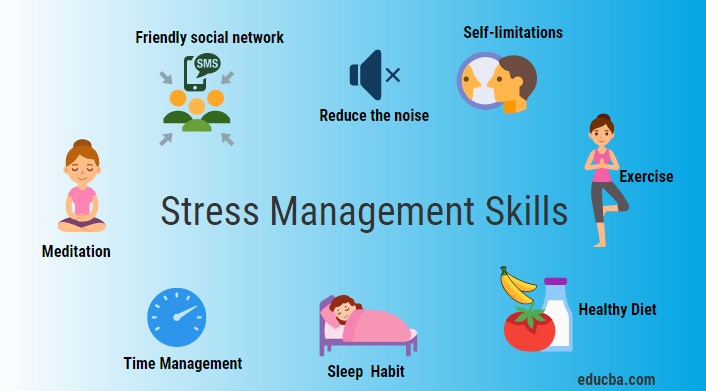
    Managing stress is essential for overall health and well-being. Here are some stress management techniques to help you reduce stress and improve your quality of life:

    Practice mindfulness: Mindfulness involves paying attention to the present moment without judgment. Mindfulness techniques, such as deep breathing and meditation, can help reduce stress and anxiety.

    Exercise regularly: Exercise is an excellent way to reduce stress and improve overall health. Regular exercise can help to reduce stress hormones and improve mood.

    Get enough sleep: Lack of sleep can make stress worse, so it’s essential to get enough restful sleep each night. Try to stick to a regular sleep schedule and create a relaxing bedtime routine.

    Eat a healthy diet: A healthy diet can help to reduce stress and improve overall health. Eat a balanced diet that includes plenty of fruits, vegetables, whole grains, and lean protein.

    Connect with others: Social support can help to reduce stress and improve mental health. Connect with friends and family, join a support group, or participate in social activities.

    Practice relaxation techniques: Relaxation techniques such as deep breathing, yoga, and massage can help to reduce stress and promote relaxation.

    Set realistic goals: Setting realistic goals and priorities can help to reduce stress and improve productivity. Focus on what’s most important and let go of the things that aren’t.

    Conclusion
    Stress is a natural part of life, but chronic stress can have negative effects on our physical, mental, and emotional health. By incorporating these stress management techniques into your daily routine, you can reduce stress and improve overall health and well-being. Remember that everyone’s stress management needs are different, so it’s essential to find what works best for you. With a little effort and patience, you can manage stress and live a healthier, happier life.

  • The Power of Sleep: Tips for a Better Night’s Rest

    The Power of Sleep: Tips for a Better Night’s Rest

    Introduction
    Sleep is an essential part of our overall health and well-being. It helps us to recharge, repair and rejuvenate our body and mind. Unfortunately, many people struggle with getting a good night’s sleep. In this blog post, we will explore the power of sleep and provide tips for getting a better night’s rest.

    The Importance of Sleep
    Sleep is critical for many aspects of our health, including:

    Physical health: Sleep helps to repair and regenerate our body’s tissues, muscles, and bones.
    Mental health: Sleep plays a crucial role in regulating our mood, reducing stress, and improving cognitive function.
    Immune system: Sleep helps to boost our immune system, making us less susceptible to illness.
    Weight management: Lack of sleep has been linked to weight gain and obesity.
    Tips for a Better Night’s Sleep
    If you struggle with getting a good night’s sleep, try incorporating the following tips into your bedtime routine:

    Stick to a sleep schedule: Try to go to bed and wake up at the same time each day, even on weekends.

    Create a bedtime routine: Develop a relaxing bedtime routine to signal to your body that it’s time to sleep. This could include reading a book, taking a warm bath, or listening to soothing music.

    Make your bedroom sleep-friendly: Create a comfortable and relaxing sleep environment by keeping the temperature cool, minimizing noise, and blocking out light.

    Limit screen time: The blue light emitted from electronic devices can interfere with your body’s natural sleep-wake cycle. Try to limit screen time for at least an hour before bed.

    Avoid caffeine and alcohol: Caffeine and alcohol can disrupt sleep, so it’s best to avoid them in the hours leading up to bedtime.

    Exercise regularly: Regular exercise can improve the quality of your sleep. Just be sure to finish your workout a few hours before bedtime.

    Manage stress: Stress and anxiety can make it difficult to fall asleep. Try relaxation techniques such as deep breathing, meditation, or yoga to help you unwind.

    Conclusion
    Sleep is essential for our physical, mental, and emotional health. By incorporating these tips into your bedtime routine, you can improve the quality and duration of your sleep. Remember that everyone’s sleep needs are different, so it’s essential to listen to your body and adjust your sleep routine accordingly. With a little effort and patience, you can experience the power of a good night’s sleep.

  • The Best Video Editing Software for Beginners

    The Best Video Editing Software for Beginners

    Video editing is an essential skill for content creators, and there are many software options available for beginners. Here are some of the best video editing software for beginners:

    iMovie (Mac): A free video editing software that is easy to use and comes with many features, such as audio editing and color correction.

    Windows Movie Maker (Windows): A free video editing software that is user-friendly and includes features such as transitions and text overlays.

    Lightworks (Windows/Mac/Linux): A free video editing software with advanced features, such as multicam editing and color correction.

    Shotcut (Windows/Mac/Linux): A free open-source video editing software with features such as timeline editing and audio editing.

    DaVinci Resolve (Windows/Mac/Linux): A free video editing software with advanced features, such as color correction and special effects.

    Filmora (Windows/Mac): A paid video editing software that is easy to use and includes features such as green screen and audio ducking.

    Adobe Premiere Elements (Windows/Mac): A paid video editing software that is user-friendly and includes features such as motion tracking and color correction.

    Corel VideoStudio (Windows): A paid video editing software with features such as 360-degree video editing and motion graphics.

    Final Cut Pro X (Mac): A paid video editing software with advanced features such as 360-degree video editing and motion graphics.

    CyberLink PowerDirector (Windows/Mac): A paid video editing software that is user-friendly and includes features such as 360-degree video editing and color correction.

  • How to Prevent Common Sports Injuries

    How to Prevent Common Sports Injuries

    Introduction
    The Importance of Injury Prevention
    Understanding Common Sports Injuries
    Tips to Prevent Sports Injuries
    a. Warm-up and Stretching
    b. Wear Proper Gear
    c. Train Smart
    d. Stay Hydrated
    e. Rest and Recover
    Common Injuries and How to Avoid Them
    a. Sprains and Strains
    b. Concussions
    c. Overuse Injuries
    d. Fractures
    Conclusion
    Introduction:
    Sports injuries are a common occurrence among athletes of all levels. Whether you are a weekend warrior or a professional athlete, injuries can have a significant impact on your performance and quality of life. In this article, we will discuss the importance of injury prevention and provide tips to help you avoid common sports injuries.

    The Importance of Injury Prevention:
    Preventing injuries is crucial for athletes of all levels. Injuries can sideline you for weeks, months, or even years, and can have long-term consequences for your health and performance. By taking steps to prevent injuries, you can stay healthy, perform better, and continue to enjoy your sport for years to come.

    Understanding Common Sports Injuries:
    Sports injuries can range from minor strains and sprains to more serious injuries like concussions and fractures. Some of the most common sports injuries include:

    Sprains and strains
    Concussions
    Overuse injuries
    Fractures
    Tips to Prevent Sports Injuries:

    a. Warm-up and Stretching: Always warm-up before exercising and stretch regularly to keep your muscles and joints limber.

    b. Wear Proper Gear: Make sure you wear appropriate gear for your sport, including helmets, pads, and shoes with good support.

    c. Train Smart: Gradually increase your activity level and avoid overtraining, which can lead to injuries.

    d. Stay Hydrated: Drink plenty of water before, during, and after exercise to prevent dehydration.

    e. Rest and Recover: Take time to rest and recover after exercise to prevent overuse injuries and give your body time to heal.

    Common Injuries and How to Avoid Them:

    a. Sprains and Strains: Sprains and strains are common injuries that occur when ligaments and tendons are stretched or torn. To prevent these injuries, make sure you warm up before exercise, wear appropriate gear, and gradually increase your activity level.

    b. Concussions: Concussions are a type of brain injury that can occur when the head is hit or jolted. To prevent concussions, wear appropriate headgear and avoid contact sports if you have a history of concussions.

    c. Overuse Injuries: Overuse injuries occur when a part of the body is subjected to repetitive stress over time. To prevent overuse injuries, gradually increase your activity level, take time to rest and recover, and vary your workouts to avoid overusing specific muscles or joints.

    d. Fractures: Fractures occur when bones break or crack. To prevent fractures, wear appropriate protective gear, avoid high-impact activities, and gradually increase your activity level.

    Conclusion:
    Sports injuries are a common occurrence, but they can be prevented with proper preparation, training, and equipment. By following these tips and taking steps to avoid common sports injuries, you can stay healthy, perform better, and enjoy your sport for years to come. Remember to listen to your body, take time to rest and recover, and seek medical attention if you experience pain or discomfort during exercise.

  • 5 Drills to Improve Your Soccer Dribbling Skills

    5 Drills to Improve Your Soccer Dribbling Skills

    Introduction
    The Importance of Dribbling in Soccer
    Drill 1: Cone Dribbling Drill
    Drill 2: Figure Eight Drill
    Drill 3: Cut and Go Drill
    Drill 4: One-on-One Defender Drill
    Drill 5: Zig-Zag Drill
    Conclusion
    Introduction:
    Soccer is a game of skill and finesse, and one of the most important skills in soccer is dribbling. Dribbling is the ability to control the ball while running and maneuvering around defenders. In this article, we will explore the importance of dribbling in soccer and provide five drills to help improve your dribbling skills.

    The Importance of Dribbling in Soccer:
    Dribbling is a critical skill in soccer, as it allows players to maintain possession of the ball and move it up the field. Dribbling also helps players create scoring opportunities by drawing defenders away from teammates and opening up space for shots on goal.

    Drill 1: Cone Dribbling Drill:
    Set up cones in a straight line, about 5-10 yards apart. Dribble the ball through the cones, using the inside and outside of your feet. Try to keep the ball as close to your feet as possible and maintain control as you navigate through the cones.

    Drill 2: Figure Eight Drill:
    Set up cones in a figure-eight pattern, about 5-10 yards apart. Dribble the ball through the cones, using both feet to weave in and out of the cones. Focus on keeping the ball close to your feet and maintaining control as you navigate the course.

    Drill 3: Cut and Go Drill:
    Set up cones in a zig-zag pattern, about 5-10 yards apart. Dribble the ball through the cones, using the inside and outside of your feet to cut and change direction. After each cut, accelerate to the next cone.

    Drill 4: One-on-One Defender Drill:
    Set up two cones about 10 yards apart. Have a partner act as a defender and try to steal the ball as you dribble between the cones. Use feints and changes of direction to evade the defender and maintain control of the ball.

    Drill 5: Zig-Zag Drill:
    Set up cones in a zig-zag pattern, about 5-10 yards apart. Dribble the ball through the cones, using both feet to weave in and out of the cones. Focus on keeping the ball close to your feet and maintaining control as you navigate the course.

    Conclusion:
    Dribbling is a crucial skill in soccer, and these drills can help improve your technique and control on the field. Incorporate these drills into your practice routine to develop your dribbling skills and become a more effective player. Remember to focus on maintaining control of the ball, using both feet, and changing direction quickly to evade defenders and create scoring opportunities.

  • The Importance of Proper Nutrition for Athletes

    The Importance of Proper Nutrition for Athletes

    Introduction
    Fuel Your Body with the Right Nutrients
    Hydration is Key
    Timing is Everything
    Consider Supplements
    Work with a Nutritionist
    Conclusion
    Introduction:
    Proper nutrition is critical for athletes to perform at their best. The right balance of nutrients can provide energy, promote muscle growth and repair, and aid in recovery. In this article, we will explore the importance of proper nutrition for athletes and provide tips for fueling your body with the right nutrients, staying hydrated, timing your meals, considering supplements, and working with a nutritionist.

    Fuel Your Body with the Right Nutrients:
    Athletes require a balanced diet that includes carbohydrates, proteins, and fats. Carbohydrates provide energy and are essential for endurance activities, while proteins are necessary for muscle growth and repair. Fats are important for energy production and help the body absorb essential vitamins. A balanced diet that includes a variety of fruits, vegetables, whole grains, lean proteins, and healthy fats is essential for optimal athletic performance.

    Hydration is Key:
    Dehydration can lead to decreased performance, fatigue, and even heat stroke. Athletes should aim to drink plenty of fluids throughout the day, especially before, during, and after exercise. Water is the best option, but sports drinks can be beneficial for longer workouts or intense activities that result in a lot of sweat.

    Timing is Everything:
    When you eat is just as important as what you eat. Athletes should aim to eat a meal or snack two to three hours before exercise to provide fuel for the workout. For shorter workouts, a small snack 30 minutes before exercise can be beneficial. After exercise, athletes should consume a mix of carbohydrates and protein to aid in muscle recovery and repair.

    Consider Supplements:
    Supplements can be a useful addition to an athlete’s diet, but they should not be used as a replacement for whole foods. Popular supplements for athletes include protein powders, creatine, and beta-alanine. However, it is important to research and consult with a healthcare professional before taking any supplements.

    Work with a Nutritionist:
    Working with a registered dietitian or sports nutritionist can be a game-changer for athletes. These professionals can create a personalized nutrition plan based on an athlete’s specific needs and goals. They can also provide guidance on nutrient timing, supplements, and hydration strategies.

    Conclusion:
    Proper nutrition is essential for athletes to perform at their best. A balanced diet that includes carbohydrates, proteins, and healthy fats, along with adequate hydration and nutrient timing, can help athletes reach their peak performance. By working with a nutritionist and considering supplements, athletes can optimize their nutrition and achieve their goals.

  • 10 Budget-Friendly Recipes That Taste Amazing

    10 Budget-Friendly Recipes That Taste Amazing

    One-Pot Pasta: Make a delicious and easy dinner with just one pot. Simply add your favorite pasta, vegetables, and sauce to a large pot and let it cook until the pasta is tender and the sauce is thick and creamy.

    Slow Cooker Chili: Create a hearty and satisfying meal by making chili in your slow cooker. Combine ground beef, beans, tomatoes, and spices in your slow cooker and let it simmer for several hours for a flavorful and budget-friendly dinner.

    Tuna and Egg Salad: Make a healthy and satisfying lunch by combining canned tuna, hard-boiled eggs, and mayonnaise. Serve on a bed of lettuce or in a sandwich for a quick and easy meal.

    Roasted Chicken and Vegetables: Create a delicious and nutritious meal by roasting chicken and vegetables together in the oven. Simply season the chicken and vegetables with your favorite herbs and spices and roast until tender and golden brown.

    Lentil Soup: Use lentils to make a filling and budget-friendly soup. Combine lentils, vegetables, and broth in a pot and let it simmer until the lentils are tender and the soup is thick and flavorful.

    Baked Potatoes: Make a simple and satisfying meal by baking potatoes in the oven. Top with your favorite toppings such as cheese, sour cream, and chives for a filling and budget-friendly dinner.

    Vegetable Stir-Fry: Use your favorite vegetables to make a delicious and nutritious stir-fry. Simply sauté the vegetables in a pan with your favorite sauce and serve over rice for a filling and budget-friendly meal.

    Spaghetti and Meatballs: Make a classic and budget-friendly dinner by combining spaghetti and meatballs. Make your own meatballs with ground beef, breadcrumbs, and herbs and serve over spaghetti with tomato sauce.

    Omelets: Create a quick and easy breakfast or dinner by making omelets. Simply whisk eggs with your favorite fillings such as cheese, vegetables, and meats and cook in a pan until set.

    Homemade Pizza: Make your own pizza at home for a budget-friendly and delicious meal. Simply top your favorite pizza crust with sauce, cheese, and your favorite toppings for a customized and satisfying pizza.

  • 10 Creative Ways to Use Leftover Chicken

    10 Creative Ways to Use Leftover Chicken

    Chicken Salad: Transform your leftover chicken into a delicious chicken salad. Simply shred or dice the chicken, add some chopped celery, onion, and a mayonnaise-based dressing, and mix it all together. Serve on a bed of lettuce or in a sandwich for a quick and easy lunch.

    Chicken Enchiladas: Turn your leftover chicken into a tasty Mexican dish by making chicken enchiladas. Shred the chicken, mix it with your favorite enchilada sauce, and wrap it in tortillas. Top with cheese and bake in the oven for a delicious and filling meal.

    Chicken Soup: Make a comforting chicken soup with your leftover chicken. Simply sauté some onions, carrots, and celery, add the chicken, and cover with chicken broth. Let it simmer for a few hours to allow the flavors to meld together. Serve with crusty bread for a hearty meal.

    Chicken Quesadillas: Create a simple and tasty meal by making chicken quesadillas. Layer the chicken, cheese, and other toppings between two tortillas and cook in a skillet until the cheese is melted and bubbly. Serve with guacamole and sour cream for a delicious and easy dinner.

    Chicken Fried Rice: Transform your leftover chicken into a savory and filling fried rice. Sauté some vegetables, scramble some eggs, and add the shredded chicken and cooked rice. Mix it all together and serve as a side dish or a main course.

    Chicken Tacos: Make delicious tacos by using your leftover chicken. Simply heat up some tortillas, add the chicken, and top with your favorite toppings such as salsa, guacamole, and cheese. Serve with rice and beans for a complete meal.

    Chicken Croquettes: Turn your leftover chicken into crispy and savory croquettes. Mix the chicken with some mashed potatoes, breadcrumbs, and seasonings, and form into patties. Coat with breadcrumbs and fry until golden brown. Serve as a snack or a main course.

    Chicken Fajitas: Create a flavorful and easy meal by making chicken fajitas. Sauté some bell peppers and onions, add the shredded chicken, and season with fajita seasoning. Serve with tortillas, salsa, and sour cream for a delicious and satisfying dinner.

    Chicken and Vegetable Stir-Fry: Use your leftover chicken to make a healthy and colorful stir-fry. Sauté some vegetables such as broccoli, carrots, and bell peppers, add the chicken, and season with soy sauce and ginger. Serve over rice or noodles for a filling and nutritious meal.

    Chicken and Cheese Dip: Create a delicious and cheesy dip by using your leftover chicken. Shred the chicken, mix it with cream cheese, shredded cheddar cheese, and spices, and bake in the oven until hot and bubbly. Serve with crackers or tortilla chips for a perfect appetizer.

  • Exploring the Vibrant World of Escort Service in Mohali

    Exploring the Vibrant World of Escort Service in Mohali

    In the bustling city of Mohali, the demand for companionship and entertainment has given rise to a thriving industry of escort service. Among the myriad options available, one name stands out – Hifimodelescort.

    Understanding Escort Service in Mohali: Escort service in Mohali encompasses a range of offerings, from companionship for social events to intimate encounters. It caters to diverse preferences and desires, ensuring clients find the perfect match for their needs.

    The Appeal of Escort Service Mohali: For many, engaging an escort service Mohali provides a convenient and discreet way to fulfill companionship and intimacy needs. It offers a level of customization and privacy that traditional dating may lack.

    Variety in Mohali Escort Service: Mohali escort service providers like Hifimodelescort offer a diverse selection of companions, Escort service in Mohali including local and international models. Clients can choose based on their preferences, ensuring a tailored experience.

    The Allure of Escort in Mohali: Escort in Mohali offers more than just physical companionship; it provides emotional support, intellectual stimulation, and a chance to escape the routine. It’s about creating memorable experiences beyond the ordinary.

    Exploring Hifimodelescort: As a leading name in the industry, Hifimodelescort is synonymous with quality and professionalism. Their roster boasts a mix of local talent and international beauties, catering to a discerning clientele.

    Russian Escort Service in Mohali: For those seeking an exotic experience, Russian escort service in Mohali offers a taste of international charm and allure. Hifimodelescort ensures top-notch service and satisfaction with their Russian companions.

    Unparalleled Service Standards: What sets Hifimodelescort apart is their commitment to excellence. From initial contact to the actual encounter, clients can expect unmatched professionalism, discretion, and satisfaction.

    Meeting Diverse Needs: Whether it’s a casual dinner date, a business event, or a private rendezvous, Hifimodelescort has the perfect companion for every occasion. Their diverse selection ensures there’s something for everyone.

    Discreet and Confidential: Privacy is paramount in the world of escort Mohali. Hifimodelescort prioritizes discretion, ensuring that client information and encounters remain strictly confidential.

    Safety and Security Measures: Hifimodelescort goes above and beyond to ensure the safety and security of both clients and companions. Rigorous screening processes and protocols are in place to guarantee a worry-free experience.

    Transparent Pricing and Policies: With Hifimodelescort, clients can expect transparent pricing and clear policies. There are no hidden fees or surprises, ensuring a straightforward and hassle-free booking process.

    Customer Satisfaction Guaranteed: At Hifimodelescort, customer satisfaction is the top priority. From the quality of companions to the level of service, every aspect is designed to exceed expectations and leave clients coming back for more.

    24/7 Availability: Whether it’s day or night, Hifimodelescort is always available to cater to client needs. Their round-the-clock service ensures that companionship is just a phone call away, whenever it’s needed.

    Building Long-Term Relationships: Hifimodelescort values long-term client relationships and strives to foster trust and loyalty. Their commitment to excellence ensures that clients return time and again for unforgettable experiences.

    Respecting Boundaries and Preferences: Each client is unique, with their own boundaries and preferences. Hifimodelescort respects these individual needs, ensuring that every encounter is comfortable and enjoyable for all parties involved.

    Embracing Diversity and Inclusivity: Hifimodelescort celebrates diversity and inclusivity, welcoming clients of all backgrounds, orientations, and preferences. Everyone deserves companionship and satisfaction, and Hifimodelescort is dedicated to providing it.

    Professionalism at Its Finest: From communication to presentation, Hifimodelescort exudes professionalism in every aspect of their service. Clients can expect punctuality, courtesy, and a high standard of conduct at all times.

    Legal Compliance and Ethics: Hifimodelescort operates with integrity and adheres to all legal requirements and ethical standards. Clients can rest assured that their encounters are conducted in a safe, lawful, and responsible manner.

    Community Engagement and Support: Beyond their core business, Hifimodelescort is committed to giving back to the community. Mohali escort service They actively participate in charitable initiatives and support causes that uplift and empower individuals.

    Continual Improvement and Innovation: In a constantly evolving industry, Hifimodelescort stays ahead of the curve with continual improvement and innovation. They invest in training, technology, and feedback mechanisms to ensure they remain at the forefront of escort service in Mohali.

    For those seeking companionship, excitement, and fulfillment in Mohali, Hifimodelescort is the ultimate destination. With their unparalleled service standards, diverse selection of companions, and unwavering commitment to satisfaction, they set the benchmark for excellence in the escort service Mohali industry.

  • Breast Reconstruction Las Vegas: Restoring Confidence and Well-being

    Breast cancer can be a life-altering experience, affecting not only a person’s physical health but also their emotional well-being. The loss of one or both breasts due to a mastectomy can significantly impact a woman’s self-esteem and body image. However, thanks to advancements in medical science, breast reconstruction surgery offers a ray of hope for those seeking to restore their confidence and regain a sense of normalcy.

    What is Breast Reconstruction?

    Breast reconstruction is a surgical procedure that recreates the shape and appearance of one or both breasts after mastectomy or lumpectomy. It aims to restore a woman’s silhouette, enhance body symmetry, and contribute to her overall well-being. The procedure can be performed immediately following breast removal or delayed until a later time.

    Benefits of Breast Reconstruction

    Breast reconstruction offers numerous physical and psychological benefits to women who have undergone mastectomy. Some of the key advantages include:

    1. Restored Body Symmetry: Breast reconstruction helps restore balance and symmetry to a woman’s body, improving the overall aesthetic appearance.
    2. Enhanced Self-confidence: By recreating the breasts, this procedure can have a positive impact on a woman’s self-esteem, body image, and quality of life.
    3. Clothing Options: Breast reconstruction allows individuals to wear a wider range of clothing options with confidence, without feeling self-conscious about their appearance.
    4. Psychological Well-being: Restoring the breasts can alleviate the emotional distress and anxiety associated with breast loss, aiding in the emotional healing process.
    5. Sense of Wholeness: Breast reconstruction helps many women regain a sense of wholeness and normalcy, empowering them to move forward in their lives.

    Types of Breast Reconstruction Procedures

    There are several types of breast reconstruction procedures available, each with its own advantages and considerations. The choice of procedure depends on various factors, including personal preferences, overall health, and the extent of breast tissue removal. The most common types of breast reconstruction include:

    Immediate Breast Reconstruction

    Immediate breast reconstruction is performed during the same surgical procedure as the mastectomy. It offers the advantage of waking up with a reconstructed breast, minimizing the emotional impact of breast loss and reducing the number of surgeries needed.

    Delayed Breast Reconstruction

    Delayed breast reconstruction is performed weeks, months, or even years after the mastectomy. It provides women with time to consider their options, consult with a plastic surgeon, and undergo any necessary adjuvant treatments.

    Implant-based Breast Reconstruction

    Implant-based breast reconstruction involves the placement of breast implants to recreate the shape and volume of the breasts. This procedure may require multiple surgeries, including the use of tissue expanders to gradually stretch the skin.

    Autologous Tissue Reconstruction

    Autologous tissue reconstruction, also known as flap reconstruction, uses a woman’s own tissue from another part of her body, such as the abdomen, back, or buttocks, to reconstruct the breasts. This technique provides a natural look and feel and may be suitable for those who do not wish to use implants.

    Factors to Consider for Breast Reconstruction

    When considering breast reconstruction, several factors need to be taken into account to make an informed decision. These include:

    Timing of Reconstruction

    Breast reconstruction can be performed immediately after the mastectomy or at a later time. Immediate reconstruction offers the advantage of waking up with a reconstructed breast, but it may not be suitable for everyone. Delayed reconstruction allows for proper healing and time to consider options.

    Cancer Treatments and Reconstruction

    The type and stage of breast cancer, as well as the recommended treatments, may influence the timing and options for breast reconstruction. It is important to discuss these factors with both the oncologist and plastic surgeon to develop an individualized treatment plan.

    Personal Preferences

    Personal preferences play a significant role in the decision-making process for breast reconstruction. Some women may prefer the use of implants, while others may choose autologous tissue reconstruction. It is essential to communicate desires and concerns openly with the plastic surgeon to achieve the desired outcome.

    Finding a Skilled Plastic Surgeon

    Selecting a skilled plastic surgeon is crucial for a successful breast reconstruction journey. Here are some steps to help find the right surgeon:

    Research and Recommendations

    Begin by researching plastic surgeons in your area who specialize in breast reconstruction. Seek recommendations from friends, family, or support groups who have undergone the procedure. Look for board-certified plastic surgeons with expertise and experience in breast reconstruction.

    Consultations and Evaluations

    Schedule consultations with potential surgeons to discuss your goals, ask questions, and review their portfolio of previous breast reconstructions. During these consultations, evaluate the surgeon’s communication style, approachability, and willingness to address your concerns.

    Preparation for Breast Reconstruction Surgery

    Preparing for breast reconstruction surgery involves several steps to ensure a smooth and successful procedure:

    Medical Assessments and Tests

    Before the surgery, the plastic surgeon will conduct a comprehensive medical evaluation to assess overall health and identify any potential risks or complications. Additional tests, such as blood work and imaging, may be necessary to guide the surgical planning.

    Lifestyle Adjustments

    Make necessary lifestyle adjustments in the weeks leading up to the surgery. This may include quitting smoking, maintaining a healthy diet, avoiding certain medications, and following any preoperative instructions provided by the surgeon.

    Emotional Preparation

    Undergoing breast reconstruction can evoke a range of emotions. It is essential to address any fears or concerns and seek support from loved ones, support groups, or professional counseling. Emotional well-being is crucial for a smooth recovery.

    Breast Reconstruction Surgery Procedure

    Breast reconstruction surgery involves several key steps to recreate the breasts. The specific details of the procedure may vary depending on the chosen technique and individual factors:

    Anesthesia

    Before the surgery begins, anesthesia will be administered to ensure comfort and pain control. The options include general anesthesia or a combination of local anesthesia and sedation.

    Incision Techniques

    The plastic surgeon will make incisions in predetermined locations, taking into account factors such as scarring, nipple placement, and tissue viability. The incisions may be located on the breast mound, in the armpit, or in the abdominal area for autologous tissue reconstruction.

    Implant Placement or Tissue Transfer

    For implant-based reconstruction, the surgeon will insert breast implants either immediately or after tissue expansion. In autologous tissue reconstruction, the surgeon will transfer the chosen tissue flap to the breast area and shape it to recreate the breasts.

    Nipple and Areola Reconstruction

    After the breast mound has been created, nipple and areola reconstruction can be performed. This can be achieved through various techniques, including skin grafting, tattooing, or the use of nipple prostheses.

    Recovery and Healing Process

    The recovery and healing process after breast reconstruction surgery varies for each individual. Understanding what to expect can help navigate this phase more effectively:

    Hospital Stay

    After the surgery, a hospital stay may be required for a few days to ensure proper monitoring and pain management. The medical team will provide instructions on postoperative care and follow-up appointments.

    Pain Management

    Pain and discomfort are normal after surgery, but the medical team will provide appropriate pain management strategies. This may include medications, ice packs, compression garments, and specific wound care instructions.

    Postoperative Care

    Following breast reconstruction surgery, it is crucial to follow the postoperative care instructions provided by the surgeon. This may include wearing a surgical bra, avoiding strenuous activities, taking prescribed medications, and attending follow-up appointments.

    Follow-up Appointments

    Regular follow-up appointments will be scheduled to monitor the healing process, remove sutures, and assess the results. These appointments allow the plastic surgeon to address any concerns and provide further guidance for optimal recovery.

    Potential Risks and Complications

    As with any surgical procedure, breast reconstruction carries certain risks and potential complications. While serious complications are relatively rare, it is important to be aware of them:

    Infection

    Infections can occur after surgery. The risk can be minimized by following proper wound care instructions and taking prescribed antibiotics, if necessary. Signs of infection include fever, redness, swelling, or discharge from the incision site.

    Bleeding

    Excessive bleeding can occur during or after surgery, leading to hematoma formation. It is essential to report any unusual bleeding or bruising to the medical team promptly.

    Implant Issues

    Implant-related complications, such as implant rupture, capsular contracture, or implant malposition, may require additional surgeries or interventions. Regular follow-up appointments can help detect and address these issues early.

    Scarring

    Scarring is a natural part of the healing process. The extent and visibility of scars can vary depending on the individual’s healing ability and the chosen incision technique. Over time, scars tend to fade and become less noticeable.

    Emotional and Psychological Considerations

    Breast reconstruction surgery not only addresses physical changes but also has a significant impact on emotional and psychological well-being. It is essential to address these aspects throughout the journey:

    Body Image and Self-esteem

    Breast reconstruction plays a vital role in restoring body image and self-esteem. However, it is important to recognize that the procedure does not guarantee complete resolution of emotional challenges. Additional support, such as counseling or support groups, can assist in the emotional healing process.

    Coping with Emotional Changes

    Breast reconstruction can evoke a wide range of emotions, including relief, happiness, anxiety, or sadness. It is normal to experience emotional fluctuations during this time. Open communication with loved ones and healthcare professionals can provide support and guidance.

    Support and Counseling Resources

    Various support groups, counseling services, and online communities are available for individuals going through breast reconstruction. These resources offer a safe space to share experiences, gain insights, and receive emotional support.

    Life After Breast Reconstruction

    Breast reconstruction is a transformative journey that extends beyond the surgery itself. Here are some aspects to consider for life after breast reconstruction:

    Physical Recovery

    Physical recovery varies for each individual but typically involves gradually returning to normal activities and exercise. It is important to listen to the body, follow the surgeon’s instructions, and communicate any concerns or changes.

    Adjustments and Adaptations

    Breast reconstruction may involve adjustments and adaptations to daily life. This may include learning how to care for the reconstructed breasts, adapting to physical changes, and exploring options for bras and clothing that offer comfort and support.

    Long-term Care

    Regular follow-up appointments with the plastic surgeon are essential to monitor the long-term results of breast reconstruction. This allows for early detection of any issues or changes that may require further intervention.